Does ClickFunnels Work in China? ICP, PIPL & an Offshore Funnel
ClickFunnels hosts your funnels and landing pages and stores the leads they capture — names, emails, even credit-card details — on its offshore US infrastructure, with no mainland-China region. So a China-facing funnel has no ICP-filing path on ClickFunnels, and every mainland lead is a cross-border transfer of personal information under PIPL. A compliance-first look at the two doors.
Does ClickFunnels work in China?
Whether you can run a ClickFunnels funnel for a mainland-China audience is first a licensing and data-residency question — ICP and PIPL — not a speed one. ClickFunnels does two jobs at once: it hosts your public funnel and landing pages, and it captures and stores the leads those pages collect. Both land offshore.
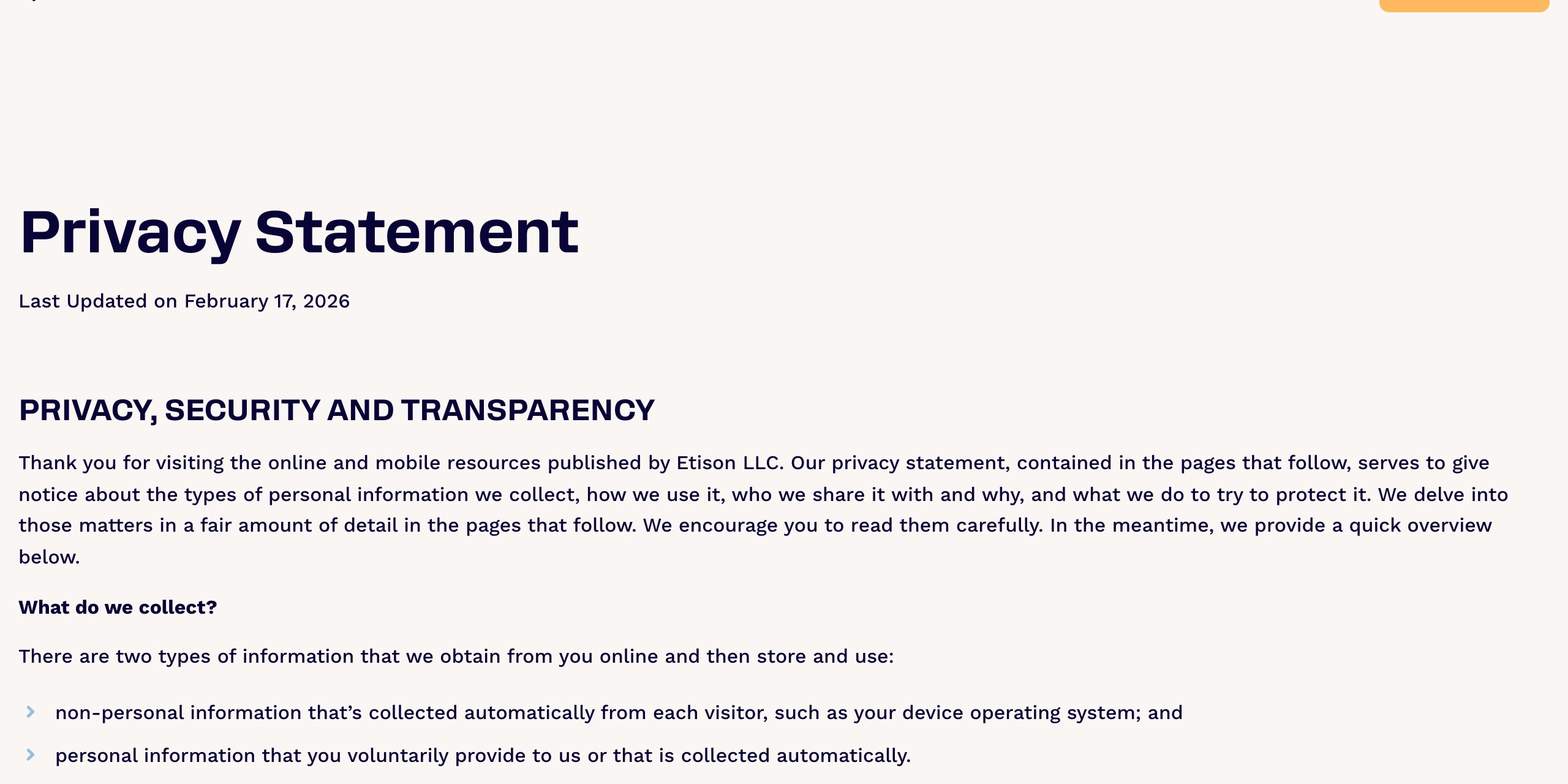
ClickFunnels is operated by Etison LLC from the United States and runs no region inside mainland China. By its own privacy statement the data its funnels collect "includes identifiers (such as your name, email address, physical address, and phone number) … and financial account information (such as your credit card information)," and it binds the vendors it shares that data with so it "is not transferred out of the United States without our consent." So a China-facing funnel has no ICP filing path on ClickFunnels, and every mainland lead it captures is a cross-border transfer of personal information under PIPL. The table below is ClickFunnels' own wording and the rules it triggers.
This is a risk picture, not a verdict — your obligations turn on what your funnels collect, your volumes and your role. Our China team can map your ClickFunnels exposure with you →
What ClickFunnels's own documentation says about China
| Fact | Primary source |
|---|---|
| In ClickFunnels' own words, the personal information its funnels collect "includes identifiers (such as your name, email address, physical address, and phone number), professional information (such as the business you are in), and financial account information (such as your credit card information)." Capturing that data from visitors is a funnel's entire job — so the leads and buyers you gather in China are, in ClickFunnels' own terms, personal and financial information. | ClickFunnels (Etison LLC) — Privacy Statement, retrieved 2026-10-07 |
| ClickFunnels is published by Etison LLC, a United States company (Canton, Georgia), and runs no region inside mainland China. Its privacy statement treats the US as the home jurisdiction for that data, binding its vendors so the personal information it shares "is not transferred out of the United States without our consent." The leads your funnel captures therefore sit offshore, outside the mainland. | ClickFunnels (Etison LLC) — Privacy Statement, retrieved 2026-10-07 |
| Collecting a mainland-China lead into ClickFunnels sends personal information offshore, which PIPL governs as a cross-border transfer: the handler (you, ClickFunnels' customer — not ClickFunnels) must give notice, obtain a separate consent for the transfer on top of any marketing or SMS opt-in, and satisfy one transfer mechanism — a CAC security assessment, the CAC standard contract, or certification. For a CIIO or large-volume handler, personal information collected in China must be stored in the mainland (PIPL Article 40; CSL Article 37) — which US servers cannot meet. | PIPL Chapter III, Articles 38–40; CSL Article 37 |
| ClickFunnels hosts the public funnel itself. Its Site app lets you build "a professional website that connects with your funnels, courses, and products" and "add your custom domain" — so the page your mainland visitors load is served from ClickFunnels' offshore infrastructure. A public-facing site delivered to mainland visitors turns on an ICP filing (ICP 备案) tied to a hosting resource inside mainland China; with no mainland region, ClickFunnels offers no ICP-filing path of its own. | ClickFunnels — Site app; ICP filing under State Council Order No. 292 and MIIT Order No. 33 |
Sources verified by the 21YunBox compliance team on 2026-10-07.
For a mainland-China audience, the deciding question about ClickFunnels is not how quickly a funnel paints — it is whether you are cleared to serve that funnel to mainland visitors, and where the leads it captures are allowed to live. ClickFunnels does two jobs at once: it hosts your public funnel and landing pages, and it collects and stores the leads those pages capture. Both land offshore. ClickFunnels is operated by Etison LLC from the United States and runs no region inside mainland China, so a China-facing funnel is reachable but entirely offshore — which leaves it with no ICP-filing path, and turns every mainland lead, down to the card details entered at checkout, into a cross-border transfer China’s law governs.
ClickFunnels in China at a glance
| What decides it | What it means for mainland China |
|---|---|
| Where the funnel is hosted | ClickFunnels serves your public funnel, website and landing pages from its own offshore (US) infrastructure on your custom domain. There is no mainland-China region. |
| What ClickFunnels holds | The leads a funnel captures are personal information — names, email addresses, physical addresses, phone numbers — and, at checkout, financial account information such as credit-card details. |
| The public funnel & ICP | A site served to mainland visitors needs an ICP filing tied to a hosting resource inside China. With no mainland region, ClickFunnels gives you nothing on its platform to file against. |
| The cross-border transfer | Every mainland lead loaded into ClickFunnels moves offshore. PIPL makes the handler — you, not ClickFunnels — give notice, obtain separate consent, and clear one transfer mechanism. |
| Payment & consent | Checkout and SMS/marketing already rest on the contact's consent; PIPL requires a distinct, separate consent before that lead and payment data is sent across the border. |
| Is it reachable? | The funnel loads from offshore rather than being blocked outright; whether every step — including the checkout and form dependencies — completes reliably for a mainland visitor is a separate delivery question. |
No mainland region, so no ICP footing for the funnel
Unlike a tool you merely embed, ClickFunnels serves the public page itself. Its Site app lets you build “a professional website that connects with your funnels, courses, and products” and “add your custom domain,” and that page is delivered from ClickFunnels’ own infrastructure — operated by Etison LLC in the United States, with no region inside mainland China.
That geography settles the licensing question before performance ever enters it. A public-facing website delivered to mainland visitors from inside China turns on an ICP filing (ICP 备案) under State Council Order No. 292 and MIIT Order No. 33, and that filing must attach to a hosting resource physically located in the mainland. ClickFunnels hosts the funnel offshore and offers no mainland resource, so there is simply nothing on ClickFunnels to file against. Reaching China is not the same as being cleared to operate there, and tuning the funnel does not create the mainland footing a filing needs.
Your leads — and their payment details — cross the border
A funnel’s whole purpose is to collect data from visitors, and ClickFunnels is explicit about what it collects. In its own privacy statement, the personal information it gathers “includes identifiers (such as your name, email address, physical address, and phone number), professional information (such as the business you are in), and financial account information (such as your credit card information).” It is published by Etison LLC, a US company in Canton, Georgia, and binds the vendors it shares that data with so it “is not transferred out of the United States without our consent.” None of that is inside mainland China.
So the moment you collect a mainland-China lead and it lands in ClickFunnels, that personal information — and, at checkout, that payment information — leaves the country. Under China’s Personal Information Protection Law that is a cross-border transfer, and the handler — you, ClickFunnels’ customer, not ClickFunnels — must give notice, obtain separate consent, and clear one transfer mechanism: a CAC security assessment, the CAC standard contract, or certification. If you are a critical information infrastructure operator or a large-volume handler, personal information collected in China must be stored in the mainland (PIPL Article 40; Cybersecurity Law Article 39 (formerly Article 37)) — a residency duty US servers cannot meet.
Consent, and then a second consent
This is where a funnel parts company with a passive host. The opt-ins a funnel already relies on in China — to email a lead, to send the SMS messages ClickFunnels supports, to profile a contact — rest on that individual’s consent. PIPL then adds a requirement on top: Article 39 calls for a distinct, separate consent before personal information is provided to anyone outside the mainland. A general “sign me up” or checkout agreement does not satisfy it. So two consents stack: one to market to and transact with the contact, and a separate one to send that contact’s data — including the card details — across the border to US servers. Building a China funnel without that second consent is the quiet exposure, precisely because the funnel keeps converting perfectly while it happens.
Reachable, or not — the delivery half
Separately from the law, ClickFunnels does its front-end work from offshore too: the funnel pages, hosted landing pages, forms and checkout are all served from its US infrastructure. A funnel is a sequence, so reliability compounds across steps — and the step most sensitive to offshore distance and third-party dependencies tends to be the last one, where the form submission and payment live. Whether every step renders and completes for a visitor inside the mainland is a genuine delivery question, and it is separate from the legal one. We publish no first-party measurement of ClickFunnels from a mainland home line, so we put no load figures here; it is something we would measure against your actual funnel rather than assert. What tuning cannot change is the first half: reaching ClickFunnels still serves the funnel without an ICP filing and still sends your China leads’ personal and payment data offshore.
This is a risk map, not a verdict: whether you need an ICP filing, a transfer mechanism, in-country storage, or a reworked consent flow depends on what your funnels collect, how much of it, and who your contacts are — worth settling with counsel before you build.
Where 21YunBox fits — a compliant overlay, not a migration
You keep building and running your funnels on ClickFunnels. We add the one piece an offshore funnel platform cannot: compliant, ICP-filed delivery from inside the mainland for the public funnel your China visitors load, and in-country storage where the law requires the leads you capture to stay on Chinese soil — set in front of your existing ClickFunnels funnel, with no rebuild, no second codebase, and no move off ClickFunnels. Our China team maps your ICP, PIPL cross-border and consent obligations against your entity and lead volumes, then stands up the in-country delivery and storage a lawful China presence needs, while your funnels stay exactly where they already run.
Related reading: