
What makes SaaS hard to deliver in China?
SaaS is the case where intermittent failure stops being tolerable. A marketing site is visited once; a working tool is opened twenty times a day by the same person, so a dependency that fails one time in four is not «mostly working» — it is unusable for the job. And intermittent is common: in a census of 199 sites measured four times each from inside mainland China, 10.1% were intermittent — completing in some windows and not others — on top of the 33.2% that never completed at all. Individual hosts behave the same way: from a Beijing residential broadband line we measuredcdn.jsdelivr.net failing 11.1% of requests and challenges.cloudflare.com 25%, while other hosts failed 100% of the time. Those are different problems and they need different answers — one is a placement decision, the other is a reliability budget. The second thing SaaS runs into earlier than most is regulatory: a product used by Chinese staff on a daily basis is usually served from inside the mainland eventually, and that is the point where the ICP filing stops being optional. What we measured, and why SaaS is the harder case
| Fact | Primary source |
|---|---|
| Across 199 public sites measured from inside mainland China in four windows over a continuous 17-hour period, 10.1% were intermittent — completing in some windows and not others — in addition to the 33.2% that completed in none. For a tool opened repeatedly, the intermittent group is the one that matters most. | 21YunBox — Sitecore China census, 199 public sites measured across four time windows |
Individual dependencies show the same split. Measured from a Beijing China Mobile residential broadband line, challenges.cloudflare.com failed 25% of requests and cdn.jsdelivr.net 11.1%, while other hosts failed 100% of the time. A host that fails a quarter of the time cannot be diagnosed by loading the page once. | 21YunBox — paired measurement from a Beijing residential broadband line |
| Across our wider census, 34% of 280 enterprise sites finished none of three attempts and roughly two thirds of those had answered and painted before stalling. Uptime checks that wait for a response pass on all of them, which is why SaaS incident reports from China so often arrive without a corresponding alert. | 21YunBox — 280-site China delivery census, measured from inside mainland China |
Sources verified by the 21YunBox China engineering team on 2026-08-30.
Introduction
China’s online environment is regulated more strictly than in many other parts of the world. Establishing a web-based Software as a Service (SaaS) or a Platform as a Service (PaaS) in China is possible for foreign companies, but it involves several crucial steps and considerations. This article will guide you through the process.
Legal Compliance in China
Like all online businesses operating in China, SaaS enterprises need to comply with the ever-evolving legal landscape. At 21YunBox, our account managers stay updated on these regulations and assist our clients in staying compliant with the following basic requirements:
Licensing for SaaS in China
To establish your SaaS presence in China, you’ll need two key licenses:
-
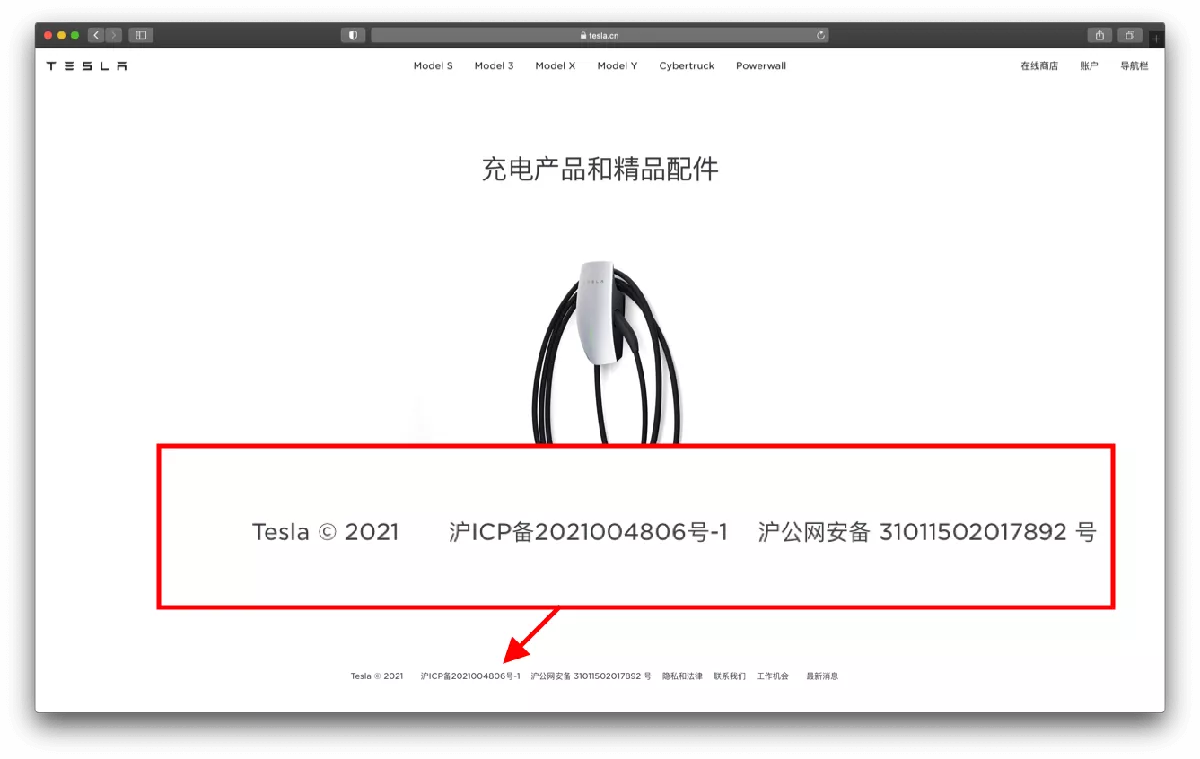
ICP Beian (ICP备案), ICP Filing: This is the standard ICP license required to host a website in China. It is issued by the Chinese Ministry of Industry and Information Technology and is administered at the provincial level. Without this license, websites may be blocked in Mainland China.
-
ICP Commercial: This license allows you to accept payments online, a crucial aspect for SaaS enterprises. Without this, your business won’t be able to operate legally in China.
How to Obtain an ICP Beian for China
You can start the application process for an ICP Beian even before your website goes live. However, you must first partner with a local hosting provider, to whom you’ll submit necessary documentation, which can vary from province to province. Required documents may include:
- Certificate of the person making the application
- Certificate of the website administrator
- Certificate of the organization (for business entities)
- Photo of the applicant holding the required documents
- Letter of authorization
- Residence Permit
- Domain name holder certificate
- Domain name confirmation (Beijing)
- Commitment letter and website construction plan (Guangdong)
- Certificate of Authorization (Yunnan, Inner Mongolia, Heilongjiang, Jiangxi)
Once your documents are approved, they are sent to the Ministry of Industry and Information Technology (“MIIT”) for further review. If everything is in order, it typically takes about 20 business days to obtain an ICP Beian.
Ready to Expand Your SaaS into China?
Discover how 21YunBox can simplify the process of launching your SaaS in China. Ensure legal compliance, secure hosting, and improved user experiences. Let's make your China expansion a success.
Get Started with 21YunBoxPlease note that the ICP system follows a “one account, one owner” rule. This means that if you own multiple websites, you can file for all of them from a single account, as long as you are the listed owner for all the domain names you will register.
Eligibility for ICP License
ICP licenses can be obtained by:
- Chinese-owned businesses with a Chinese business license.
- Partially or wholly foreign-owned (WOFE) businesses with any type of Chinese business license (excluding commercial ICP for foreign joint ventures).
- Chinese nationals can receive an Individual ICP.
- Non-Chinese individuals who meet registration requirements can apply for an Individual ICP.
Hosting Your SaaS Platform in China
In addition to ICP licenses, 21YunBox can assist you with:
- Creating a Chinese Domain Name: This is a prerequisite for applying for licenses and must undergo real-name verification. Chinese domain names end in .cn. You can choose a name that resembles your current domain.
Link: Learn more about registering a .CN domain
- Hosting Your Site in China: All hosting providers require your ICP license numbers before releasing server credentials to you. Chinese law mandates that data acquired in China must remain within the country’s borders. Therefore, your site and databases must be hosted on servers physically located in China. This ensures faster loading times and improved user experience within China.
Data Security and Compliance
To ensure your SaaS collects data legally and is protected in case of a security breach, it’s important to follow the MLPS (Multi-Level Protection Scheme) certification process. This helps safeguard your network and data, as mandated by the 2017 Cybersecurity Law of the People’s Republic of China.
The 21YunBox Advantage
21YunBox offers a complete hosting solution in China, making it easy and cost-effective for your company to maintain legal compliance and provide the best experience for your Chinese customers. By partnering with us, you’ll benefit from our expertise and status as a Chinese company, allowing you to focus on your core operations.
Ready to launch your SaaS in China? Contact us today or sign up for a free account on our client dashboard to get more information.