
Does Firebase work in China?
Making Firebase "work" in mainland China is a compliance question before it is a performance one — and the honest starting point is that Google runs no mainland-China region, so there is no in-country Firebase to switch on. The real work is two legal gates, not a faster route.
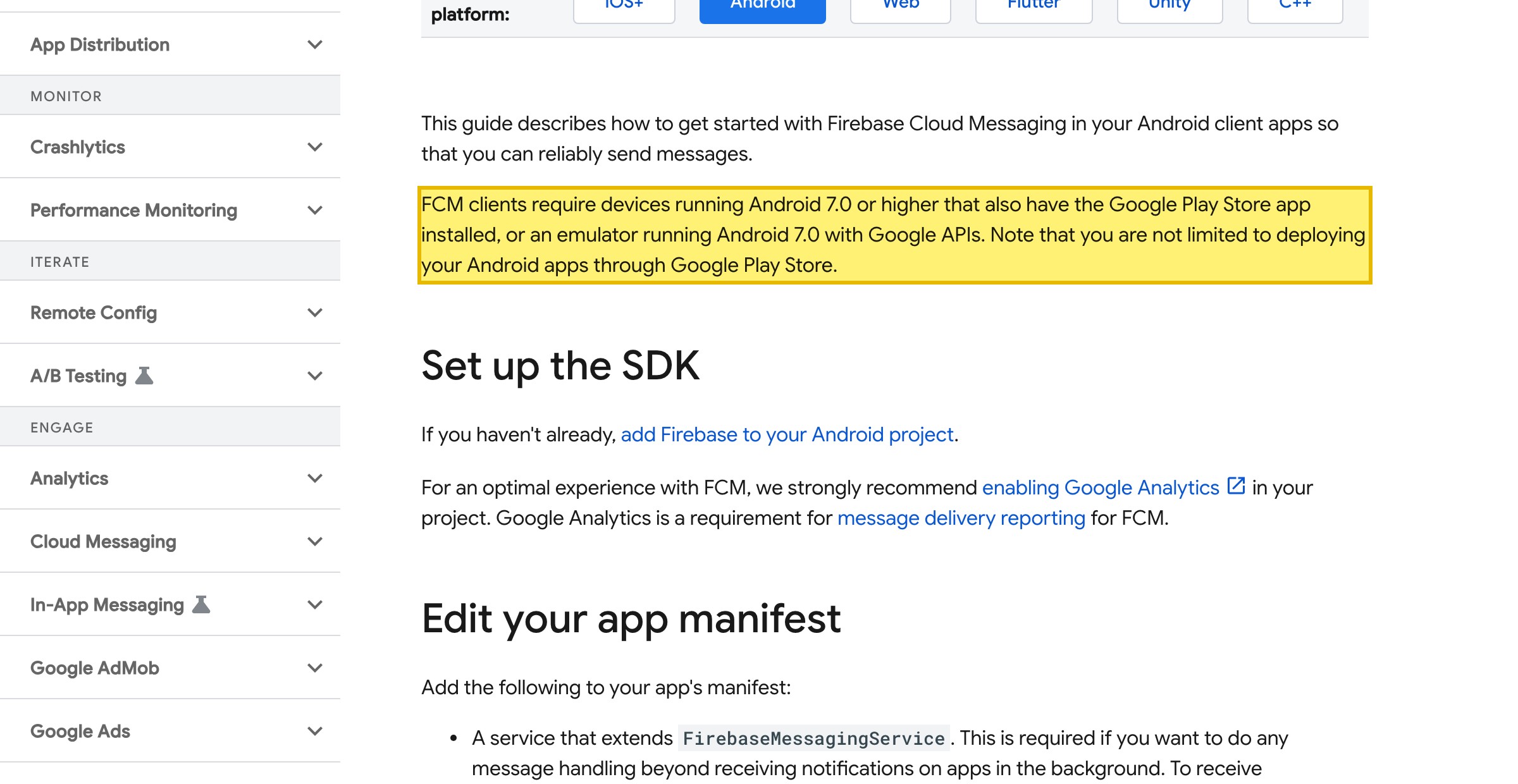
Firebase runs on Google Cloud, which advertises "43 global regions and 130 zones" — none in the mainland, and its own Cloud Firestore location list stops at Hong Kong ("asia-east2") and Taiwan ("asia-east1"). Serve a mainland audience from there and two things follow: a public app hosted offshore has no in-country host to attach an ICP filing to, and your China users' personal data sits abroad — a cross-border transfer PIPL governs. Firebase even states its messaging clients "require devices running Android 7.0 or higher that also have the Google Play Store app installed," which mainland-market phones generally do not. The table below is Firebase's own wording and the rule each gate triggers.
This is a risk map, not a verdict — which gates bind, and how hard, turns on your entity, your data and who your users are. Our China team can map your exposure with you →
What really decides whether you can run Firebase for a mainland-China audience
| Fact | Primary source |
|---|---|
| Firebase runs on Google Cloud, and Google Cloud has no mainland-China region. Google Cloud's own locations page says you can "deploy workloads across 43 global regions and 130 zones," and Firebase's Cloud Firestore location list enumerates its Asia options without one mainland-China entry — the nearest are Hong Kong ("asia-east2") and Taiwan ("asia-east1"). Google also runs no separate in-country China partition, so there is no Google-operated option physically inside the mainland to move onto. | Google Cloud — Global Locations (cloud.google.com/about/locations) & Firebase Cloud Firestore locations, retrieved 2026-10-07 |
| Where your China users' data lives is fixed the moment you pick a Firestore location — and can't be moved afterward. Firebase states you "must choose a location for the instance," and that "once you provision a database instance, you cannot change its location setting." Every location it offers is offshore, so that data is a cross-border transfer of personal information under PIPL (notice, separate consent and a transfer mechanism, Articles 38–43), with in-country storage required for a CIIO or large-volume handler (PIPL Article 40; Cybersecurity Law Article 39 (formerly Article 37)). | Firebase — Cloud Firestore locations (firebase.google.com/docs/firestore/locations), retrieved 2026-10-07; PIPL Articles 38–43 & 40; Cybersecurity Law Article 39 (formerly Article 37) |
| A public app on offshore Firebase has nothing to attach an ICP filing to. A site or app shown to the mainland public must be filed under China's ICP regime (State Council Order No. 292; MIIT Order No. 33), and that filing binds to a hosting resource physically inside the mainland and a mainland legal entity. Firebase's hosts are Google Cloud's offshore regions, so the in-country footing an ICP filing names isn't there — being reachable is not the same as being cleared to operate. | Firebase/Google Cloud locations (firebase.google.com/docs/firestore/locations), retrieved 2026-10-07; State Council Order No. 292; MIIT Order No. 33 |
| Even when reachable, core Firebase features expect a Google device layer mainland phones lack. Firebase states that "FCM clients require devices running Android 7.0 or higher that also have the Google Play Store app installed." Android handsets sold across mainland China generally ship without the Google Play Store and Google Play services, so Firebase Cloud Messaging and the features built on it can fail regardless of network speed. This is the reachability half of the question — real, but downstream of the two legal gates. | Firebase — Get started with Firebase Cloud Messaging on Android (firebase.google.com/docs/cloud-messaging/android/get-started), retrieved 2026-10-07 |
Sources verified by the 21YunBox compliance team on 2026-10-07.
If your team is looking for a way to make Firebase work in mainland China, it pays to be clear about what the problem actually is. The reflex is to treat it as a performance problem — find a faster route to Google’s servers and the trouble goes away. It does not, because the obstacle was never distance. Firebase is a Google service built on Google Cloud, and Google Cloud runs no region inside mainland China and no separate in-country partition — so there is no Firebase endpoint on the China side of the border to speed up in the first place. What a genuine solution has to settle is two licensing questions: whether the public app can be filed under China’s ICP regime, and where your China users’ personal data is allowed to live. Reachability matters, but it sits downstream of both.
Firebase in mainland China — at a glance
| What decides it | In Firebase's own terms — and China's own law |
|---|---|
| Where Firebase runs | On Google Cloud, which advertises “43 global regions and 130 zones.” Firebase's own Cloud Firestore location list reaches only as far as Hong Kong (“asia-east2”) and Taiwan (“asia-east1”) — no mainland-China region. |
| An in-country option? | None from Google. There is no Google-run region or partition inside the mainland to switch onto, so any compliant in-country presence has to be built outside Google's own footprint. |
| Features on the ground | Firebase states “FCM clients require devices running Android 7.0 or higher that also have the Google Play Store app installed” — the Play Store and Play services that mainland-market Android phones generally omit, so push and the features built on it can simply not work. |
| The public-app gate (ICP) | A public app shown to mainland users needs an ICP filing bound to a licensed in-country host (State Council Order No. 292; MIIT Order No. 33). Firebase served from offshore regions has nothing in-country to file against. |
| The data gate (PIPL) | China users' personal data stored in an offshore Firestore location leaves the mainland — a cross-border transfer PIPL governs (Articles 38–43), with in-country storage possible for a CIIO or large-volume handler (Article 40; Cybersecurity Law Article 39 (formerly Article 37)). |
Reachability is real — and still not the gate
None of this means reachability is imaginary. Firebase is built to serve from Google’s network, and that network stops at the mainland’s edge: Google’s endpoints are routinely filtered or unreliable from inside China, and some Firebase features expect a Google device layer that mainland phones do not carry. Firebase’s own Android guide requires that messaging clients run on handsets “that also have the Google Play Store app installed” — a store the phones sold across much of the mainland ship without — so push and the features built on it may never fire, however the network is arranged.
But reachability is the half that misleads. A Firebase call that returns instantly still says nothing about whether you are allowed to serve that audience from where you are serving them. That permission is two separate gates, and neither one is a speed problem.
Gate one — the public app and its ICP filing
Gate one is about permission to show the app at all. A public-facing website or app aimed at mainland users has to carry an ICP filing (备案) under State Council Order No. 292 and MIIT Order No. 33, and that record anchors to two things an offshore Firebase stack does not have on the China side: a hosting resource physically inside the mainland, and a mainland legal entity behind it. Firebase’s hosts are Google Cloud’s offshore regions — Google publishes “43 global regions and 130 zones,” the closest to the mainland being Hong Kong and Taiwan — so there is nothing in-country for a filing to name. The app can be perfectly reachable and still hold no license to be there, and a quicker path to Google does not change that.
Gate two — your China users’ data under PIPL
Gate two is about the data. Where your records physically sit is decided the moment you create the database: Firebase requires that you “must choose a location for the instance,” and warns that “once you provision a database instance, you cannot change its location setting.” Because every location Firebase offers is outside the mainland, your China users’ personal information is stored offshore from their first sign-up — and carrying a mainland resident’s personal data across the border is a cross-border transfer. China’s Personal Information Protection Law attaches conditions to it: notice, separate consent, and one approved transfer mechanism (Articles 38–43). For a critical information infrastructure operator, or a handler above the regulated volumes, the data may have to stay in the mainland to begin with (PIPL Article 40, with Cybersecurity Law Article 39 (formerly Article 37)). Which of these bind, and how, turns on your role and your numbers — a determination for counsel, not a default setting.
What a real Firebase solution for China looks like
Framed as two gates instead of a speed dial, the honest set of solutions gets short — and none of them is a faster way to reach Google.
Keep Firebase as your global origin. For users outside the mainland, nothing needs to change; Firebase is an excellent global backend. The China work is additive: stand up a compliant, ICP-filed presence inside the mainland in front of the experience your mainland audience sees, so the public app has in-country footing to be filed while your origin stays exactly where it runs today.
Handle the Google-dependent pieces on their own terms. The parts of Firebase that lean on Google’s device layer — Cloud Messaging and anything built on Google Play services — will not reliably reach the handsets most mainland users carry, no matter how the network is arranged. For those specific features the durable answer is an in-country replacement for that one capability, such as a mainland push service, while the rest of your Firebase code is left untouched. If you are weighing a wholesale swap instead, the companion piece on Firebase alternatives for China walks these same two gates across candidate backends.
Decide where China users’ data may live before you ship. Because a Firestore location is set at creation and cannot be moved later, data residency is cheapest to settle up front: for some apps, offshore storage with a PIPL transfer mechanism is defensible; for others — a CIIO, or a high-volume handler — the data has to stay in the mainland. That is a legal determination, not a default you can leave to the console.
This is a risk map, not a verdict: which gates bind, and how hard, depends on what your app does, how much personal data it holds, and who its users are — worth settling with counsel before you build around it.
Where 21YunBox fits — a compliant overlay, not a migration
Keep Firebase as your global origin and source of truth. The gap it leaves for mainland China is not something you tune away — it is a licensed, in-country presence Google’s network was never built to hold. That is the piece we add: compliant, ICP-filed delivery from inside the mainland, standing in front of the Firebase origin you already run, so there is no rebuild, no parallel China codebase, and no move off Firebase. Our China team works out which gates bind for your entity and your data volumes, carries the ICP filing against an in-country host, and designs how visitor and user data is handled at the border so the PIPL question has an answer you can defend. Where a feature depends on Google’s device layer, we help you plan the in-country replacement for that one piece rather than rebuilding the app around it.
Related reading:
