What are the top app stores in China, and what do you need to publish on them?
China’s top app stores are the handset-maker storefronts — Huawei AppGallery, OPPO, vivo, Honor and Xiaomi — alongside Tencent MyApp and Apple’s China App Store; Google Play is not a mainland channel. Choosing a store is the easy part: publishing on any of them runs through a licensing gate — a mainland app filing, a software copyright certificate, and for games an NPPA approval number — all issued to a China legal entity, not to your store account.
Because Google Play is absent, Android distribution is fragmented across these manufacturer and third-party stores, each with its own review — but every mainland channel enforces the same gate. China’s MIIT requires each app to carry a mobile app (ICP) filing before a store will list it; the Android stores additionally check a Software Copyright Certificate whose name must match your app; games need a 版号 / ISBN approval number from the NPPA; and because all of these are bound to a mainland entity, a foreign publisher either sets up a China company or publishes through a licensed partner of record. The store directory and launch roadmap below walk through each platform and the paperwork in order.
This is a licensing map, not legal advice — which filings apply turns on your app’s content, your entity, and whether it carries games or news. Our China team can map your publishing path with you →
What actually gates a launch in China’s app stores
| Fact | Primary source |
|---|---|
| Every mainland store listing runs through a mandatory MIIT app filing (APP备案). Under the Ministry of Industry and Information Technology’s August 2023 notice (工信部信管〔2023〕91号-series, No. 105), built on Article 23 of the Anti-Telecommunications Fraud Law, an app that provides internet information services in mainland China must file with MIIT through its network-access provider, and app stores and device makers are barred from carrying apps that have not. Existing apps had until 31 March 2024 to file, and the major marketplaces began removing unfiled apps after the deadline. How the mobile app filing works → | China MIIT mobile-app filing notice (工信部信管〔2023〕105号, 2023-08-04) as analyzed by Linklaters, retrieved 2026-10-07; Anti-Telecommunications Fraud Law Article 23 |
| Apple enforces the China gate inside App Store Connect. Apple states that “Chinese law requires additional documentation for some apps to be available on the App Store in China mainland” and that “China’s Ministry of Industry and Information Technology (MIIT) requires that some apps possess a valid Internet Content Provider (ICP) Filing Number” — which, once verified, “will be displayed on your App Store product page.” Apple adds that “games must secure an approval number” (verified with the game’s “ISBN Issuing Letter”), book and magazine apps need “an internet publishing permit from… the NPPA,” and news apps “an Internet News Information Permit from the Cyberspace Administration of China (CAC).” | Apple — App Store Connect Help, “Availability in China mainland” (developer.apple.com), retrieved 2026-10-07 |
| The Android stores require a Software Copyright Certificate (软件著作权). Huawei’s developer policy requires apps to supply copyright-qualification documents that comply with applicable law, and the major manufacturer stores — Huawei, Xiaomi, OPPO, vivo, Honor and Tencent MyApp — refuse listings without a valid Chinese certificate. The app’s Chinese name must line up with the name on the certificate, so a later rename means re-registering. The certificate is issued by China’s Copyright Protection Centre under the Regulations on the Protection of Computer Software. How the Software Copyright Certificate works → | Huawei Developers — developer policy centre (developer.huawei.com), retrieved 2026-10-07; Regulations on the Protection of Computer Software (State Council) |
| Games need a 版号 (ISBN / game publication number) from the NPPA — and a foreign studio cannot obtain one in its own name. China’s National Press and Publication Administration treats online games as publications and issues each approved title an approval-document number paired with an ISBN; without it a game cannot be legally published or monetized. China’s foreign-investment rules reserve online-game publishing for domestic publishers, so an overseas developer licenses the title to a Chinese publisher that holds the online-game publishing permit and has registered the copyright contract with the National Copyright Administration. Treat this as a licensing structure to confirm with counsel, not a step you complete yourself. | NPPA game-approval lists (nppa.gov.cn) and Harris Sliwoski — “Selling Online Games to China”, retrieved 2026-10-07 |
| The gate is the same entity requirement on every store. The MIIT app filing, the Software Copyright Certificate and a game’s 版号 are all issued to a mainland China legal entity, not to a store account — which is why a foreign publisher generally cannot file in its own name and instead stands up an onshore company or publishes through a licensed partner of record while keeping its code and IP under contract. This is the same ICP-regime entity gate that governs websites under State Council Order No. 292 and MIIT Order No. 33. How ICP filing and the China entity requirement work → | Winston & Strawn — “Mobile apps seeking to operate in China must conduct filings with the MIIT before April 2024”, retrieved 2026-10-07; State Council Order No. 292; MIIT Order No. 33 |
Sources verified by the 21YunBox compliance team on 2026-10-07.
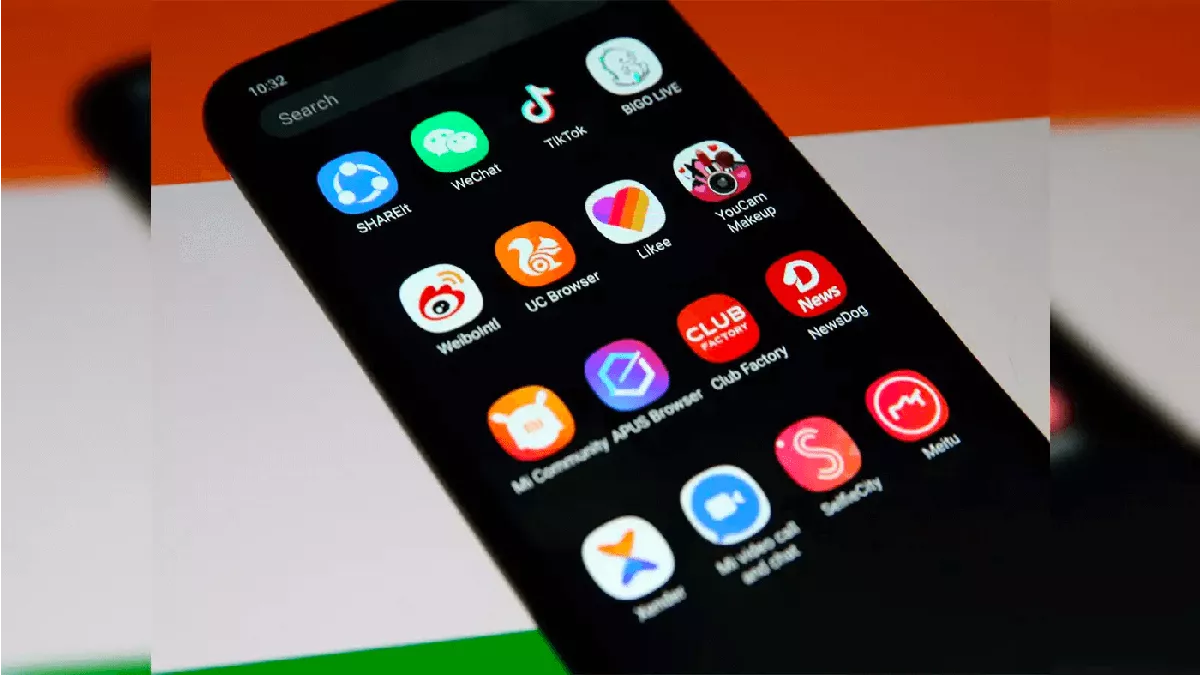
Decoding China’s App Store Ecosystem: Your Roadmap to Success
China’s mobile app market is a powerhouse, offering unmatched opportunities for developers—but with its own set of rules. Unlike the rest of the world, where Google Play dominates Android distribution, China’s app landscape is fragmented across multiple platforms, each with unique policies and audiences.
With over 1 billion mobile users, China’s app ecosystem is essential for global expansion. But to succeed, you’ll need to understand where to publish, how to comply with regulations, and what users expect.
Key Takeaways at a Glance:
- No Google Play: Apps must be distributed through 20+ major Chinese app stores.
- Device Manufacturer Stores Lead: Huawei, OPPO, and VIVO dominate Android distribution.
- Specialized Stores Exist: Niche markets cater to specific demographics.
- Compliance is Critical: An ICP filing is required for many apps, and game apps need an ISBN license.
- Apple’s App Store is Available—but Regulated: Certain content requires approval.
Accelerate Your App's Entry into China's Top Stores
Unlock personalized strategies for navigating China's complex app store landscape. Our experts will craft a tailored plan for your app's triumphant entry into this lucrative market.
Schedule Your Free Strategy ConsultationChina’s Complete App Store Directory
1. Huawei App Gallery (华为应用市场): The Global-Local Hybrid

- Market Share: Approximately 25-30%
- Monthly Active Users: Exceeding 530 million
- Standout Features:
- Robust presence in both Chinese and international markets
- Strong focus on AI integration and smart device ecosystems
- Comprehensive developer support and promotional tools
Official Website: https://appgallery.huawei.com/
2. OPPO Software Store (HeyTap欢太软件商店): The Rising Star

- Market Share: Around 20-25%
- Monthly Active Users: Over 350 million
- Unique Offerings:
- Seamless integration with ColorOS for enhanced user experience
- Strong emphasis on localized content and services
- Attractive revenue-sharing models for developers
Official Website: https://store.oppomobile.com/
3. VIVO App Store (vivo应用商店: 乐享好应用): The Curator’s Choice

- Market Share: Approximately 15-20%
- Monthly Active Users: Surpassing 300 million
- Key Strengths:
- Renowned for curated app collections
- Innovative app discovery features
- Strong penetration in China’s tier 2 and 3 cities
Official Website: https://dev.vivo.com.cn/distribute/appStore
4. Tencent MyApp (腾讯应用宝): The Ecosystem Powerhouse

- Market Share: Around 15%
- Monthly Active Users: Over 400 million
- Competitive Edge:
- Leverages Tencent’s vast ecosystem (WeChat, QQ)
- Dominates in gaming and social media app categories
- Offers powerful marketing and user acquisition tools
Official Website: https://android.myapp.com/
5. Xiaomi App Store (小米应用商店): The User-Friendly Contender

- Market Share: Approximately 10-15%
- Monthly Active Users: Exceeding 250 million
- Distinctive Features:
- Deeply integrated with MIUI for Xiaomi devices
- Known for its intuitive interface and user-centric design
- Offers competitive revenue sharing for app developers
Official Website: http://app.xiaomi.com/
6. Honor App Market (荣耀应用商店)
Website: https://developer.honor.com/cn/appStore
The official store for Honor smartphones, offering deep integration with Honor’s Magic UI. Focuses on performance optimization for Honor devices and features AI-powered app recommendations. Popular among younger demographics for its gaming-centric features.
7. 360 Mobile Assistant (360手机助手)
Website: https://sj.360.cn/index.html
Operated by cybersecurity giant Qihoo 360, this store emphasizes app security with built-in virus scanning. Features unique “App Clone” functionality and strong PC-to-mobile integration. Popular for its frequent promotions and app bundles.
8. Samsung App Store (三星应用商店)
Website: https://galaxystore.samsung.com/
Samsung’s Chinese app portal offering localized content and Galaxy device optimizations. Features exclusive partnerships with Korean developers and strong cross-device synchronization features for Samsung’s ecosystem products.
9. Baidu Mobile Assistant (百度手机助手)
Website: https://mobile.baidu.com/
Baidu’s app distribution platform integrated with its search ecosystem. Features AI-powered search-based app discovery and strong integration with Baidu Maps, Baidu Cloud, and other Baidu services. Popular for its “Light Apps” mini-program platform.
10. Wandoujia (豌豆荚)
Website: https://www.wandoujia.com/apps/280001
Acquired by Alibaba, this pioneer in Android app management offers advanced PC-based installation tools. Known for its clean interface and vintage app archives. Popular among power users for its APK management features.
11. Sogou Mobile Assistant (搜狗手机助手)
Website: https://as.sogou.com/
From the search engine giant, this store integrates with Sogou’s input method and AI capabilities. Features voice-activated app search and strong keyboard customization options. Popular for its emoji and theme packages.
12. Zhuoyi Market (卓易市场)
Website: https://market.droigroup.com/
Specializes in apps for IoT and smart devices, particularly popular in lower-tier cities. Offers unique “App + Hardware” bundles and focuses on utility apps for Chinese-made devices.
13. ZTE App Store (中兴应用商店)
Website: https://apps.ztems.com/
Official store for ZTE smartphones with strong 5G app optimizations. Features enterprise-focused apps and government-approved software packages. Popular in the business-to-government (B2G) sector.
14. LeTV Store (乐视应用商店)
Website: https://mobile.le.com/
From the LeEco ecosystem, this store focuses on video and entertainment apps. Features deep integration with LeTV’s streaming services and unique “Content + App” bundles.
15. PP Assistant (PP助手)
Website: https://www.25pp.com/
Known for iOS jailbreak tools in its early days, now transformed into a mainstream Android store. Offers unique “App Trial” feature and popular for its game mods and unofficial app versions.
16. Meizu Flyme (魅族应用商店)
Website: https://app.meizu.com/
The app portal for Meizu smartphones, featuring Flyme OS optimizations. Known for its minimalist design and battery-efficient app recommendations. Popular among photography app enthusiasts.
17. China Mobile Mobile Market (中国移动应用商场)
Website: https://touch.10086.cn/
Operated by China’s largest carrier, this store offers direct carrier billing integration. Features network-optimized apps and strong presence in rural markets through China Mobile’s retail network.
18. AppChina (应用汇)
Website: http://m.appchina.com/
Pioneer in third-party app distribution, known for early access to international apps. Still popular for its unofficial app versions and mod community. Features a unique “Beta Zone” for testing new apps.
19. Lenovo Le Store (联想应用商店)
Website: https://lestore.lenovo.com/
Lenovo’s official store with strong PC-mobile integration features. Popular for productivity apps and offers exclusive deals on Lenovo device bundles. Features a business app section for enterprise users.
20. HiAPK (安卓网)
Website: http://www.hiapk.com/
Tech enthusiast-focused platform known for deep app customization options. Features extensive rooting tools and ROM modifications. Popular among Android power users and mod developers.
Master China's App Store Ecosystem with Expert Guidance
Our experts will guide you through China's 20+ app stores, ensuring full compliance and maximizing your app's market potential.
Claim Your Customized China App StrategyApple’s App Store: The iOS Gateway to China

While not an Android platform, the Apple App Store plays a crucial role in China’s mobile ecosystem:
- Market Share: Approximately 20% of the overall mobile market
- Key Considerations:
- Requires specific approvals for games (ISBN number)
- Adheres to stringent local regulations
- Offers a more streamlined submission process compared to Android counterparts
The Google Play Conundrum: Why It’s Not a Major Player in China

Despite its global dominance, Google Play Store faces unique challenges in the Chinese market:
- Limited Accessibility: Not officially available in mainland China
- Regulatory Hurdles: Google services are generally restricted in China
- Fierce Local Competition: Strong presence of locally integrated app stores
It’s worth noting that Google Play is not a practical distribution channel for reaching mainland users at scale, so Android reach in China runs through the local app stores above.
Bridging East and West: Key Differences in App Store Landscapes
- Market Fragmentation: Multiple major players vs. single dominant store
- Device Integration: App stores often deeply integrated with local smartphone manufacturers
- Regulatory Environment: More stringent content and licensing requirements
- User Behavior Patterns: Distinct app preferences and usage habits
- Monetization Strategies: Varied revenue-sharing models and payment integrations
Navigating the Chinese App Market: Challenges and Opportunities for Global Developers
Hurdles to Overcome:
- Managing multiple app store submission processes
- Adhering to diverse and evolving regulatory requirements
- Adapting apps to align with Chinese user preferences
- Addressing potential content restrictions and censorship issues
Untapped Potential:
- Access to the world’s largest and most dynamic mobile user base
- Diverse audience segments across different app stores
- Higher monetization potential in certain app categories
- Opportunities for strategic local partnerships to accelerate market entry and growth
Master China's App Store Ecosystem with Expert Guidance
Don't let complexity hinder your success. Our seasoned experts will guide you through the intricacies of Chinese app stores, ensuring full compliance and maximizing your app's market potential.
Claim Your Customized China App StrategyYour Roadmap to Launching in Chinese App Stores: Essential Steps for Success
-
Secure Necessary Licenses:
- Obtain ICP Filing for apps with user-generated content
- Acquire ISBN number for gaming applications
- Identify and secure additional licenses based on your app’s specific features
-
Localization Excellence:
- Professionally translate your app and store listings
- Adapt features and content to resonate with Chinese users
-
Regulatory Compliance:
- Ensure alignment with Chinese cybersecurity and data protection laws
- Stay updated on evolving regulatory landscapes
-
Technical Adaptation:
- Integrate with local SDKs and APIs
- Optimize performance for Chinese networks and popular device models
-
Local Payment Integration:
- Implement widely-used payment methods (Alipay, WeChat Pay)
- Understand local consumer payment preferences
-
China-Specific Marketing:
- Develop a targeted marketing strategy for the Chinese audience
- Explore partnerships with local influencers and platforms
Accelerate Your Success with 21YunBox: Your Partner in Conquering Chinese App Stores
At 21YunBox, we specialize in guiding global developers and companies through the complexities of the Chinese app market. Our comprehensive services include:
- Compliance Navigation: We streamline the process of obtaining all necessary licenses, ensuring your app meets local regulations.
- Multi-Store Submission Support: Our team manages the submission process across China’s top app stores, maximizing your market reach.
- Cultural and Linguistic Localization: We provide expert localization services to ensure your app resonates deeply with Chinese users.
- Technical Performance Optimization: We optimize your app’s backend for peak performance within China’s unique digital infrastructure. This includes adapting Firebase to work seamlessly in China, minimizing changes to your existing setup.
- Strategic Marketing and User Acquisition: We craft effective strategies to promote your app and drive user growth in the competitive Chinese market.
Our Track Record of Success
We’ve successfully guided a diverse range of clients through the complexities of entering the Chinese market, including:
- Fortune 500 companies seeking to expand their digital footprint in China
- Apple Design Award-winning apps adapting to Chinese user preferences
- Apps with multi-million download bases looking to replicate their global success
- Enterprise-focused solutions navigating China’s unique business landscape
Our expertise spans crucial areas such as:
- Facilitating Mobile App ICP Filing, a fundamental requirement for operating in China.
- Managing the Software Copyright Certificate (SCC) Filing process to protect your intellectual property.
- Navigating the myriad of China-specific licensing requirements essential for legal operation.
Our premium, end-to-end service goes beyond mere compliance. We offer a streamlined solution that covers:
- Securing all necessary licenses and certifications efficiently.
- Distributing your app across China’s top stores, ensuring 99.99% coverage of both Android and iOS markets.
- Providing ongoing support and optimization to maintain your app’s performance and compliance in the ever-evolving Chinese digital landscape.
This holistic approach simplifies what is typically a complex and time-intensive process, allowing you to focus on your app’s core features and user experience while we handle the intricacies of Chinese market entry.
Your Next Steps: Launching Your App in China
The Chinese app market, with its unique landscape and vast user base, offers unparalleled opportunities for global developers and businesses. By understanding the top app stores, adapting to local requirements, and partnering with experts like 21YunBox, you can successfully navigate this complex but rewarding market.
Are you ready to unleash your app’s potential in the world’s largest mobile market? Contact us today for a personalized consultation. Let our experts craft a tailored strategy for your triumphant entry into China’s dynamic app ecosystem.
Frequently Asked Questions
Why isn’t Google Play an option in mainland China?
Google Play is not officially available in mainland China, and Google’s services are generally unreachable there, so Android users install from domestic storefronts instead. That is why Android distribution means submitting to several stores — the handset makers’ own stores plus third-party marketplaces — rather than the single store most other markets rely on.
What do we actually need before we can publish on any Chinese store?
At minimum a mainland MIIT app filing and, for the Android stores, a Software Copyright Certificate — both issued to a China legal entity. Apps that offer games, books, magazines or news need a further approval: an NPPA approval number and ISBN letter for games, an NPPA publishing permit for books and magazines, and a CAC permit for news. Picking which stores to list on is the quick part; the eligibility paperwork is what sets the timeline.
Can 21YunBox help us publish across China’s app stores?
Yes. Our China team can map which filings and licenses your app actually needs — the mobile app filing, the Software Copyright Certificate, and any content-specific approval such as a game 版号 — assess whether you file through your own onshore entity or a partner of record, and handle submission across the major Android stores and Apple’s China App Store. Get in touch to work through your specific app.
