What is Cainiao and how to get started
Cainiao, also known as Cainiaoguoguo, Cainiao Network, 菜鸟, 菜鸟裹裹, is one of the largest Chinese logistics companies, operated by Alibaba Group.
What does a foreign brand need to use Cainiao for fulfillment and cross-border shipping into China?
Using Cainiao is a logistics partnership you contract into — not an account you simply open. Two gates decide whether a foreign brand can run it: a China-side entity or licensed local partner standing behind the goods, and the personal-data rules on every parcel you ship.
Cainiao is Alibaba’s logistics arm, and it tells overseas brands that “with the strong bonded warehouses operations and real-time customs clearance capabilities” it helps them “quickly enter the Chinese retail market” — so it plainly works in China; the real question is what you must clear to move your goods and your buyers’ data through it. On the goods side, China’s cross-border e-commerce retail-import rules require a foreign seller’s customs registration to be completed through a domestic agent, and each shipment’s order, payment and logistics records to cross-check in Customs. On the data side, the consignee and real-name customs details that flow through fulfillment are personal information: hold them offshore and you have a cross-border transfer PIPL governs. The how-to-get-started guide below covers signing up; this panel maps the compliance exposure that decides whether you can run it.
This is a risk map, not a verdict — which entity, which import route and which data path fit turns on your goods and your buyers. Our China team can map your path with you →
What a foreign business must clear to use Cainiao in mainland China
| Fact | Primary source |
|---|---|
| Cainiao is a logistics and fulfillment network you contract with — not a website you host or an ICP filing. In its own words Cainiao is “the world’s No. 1 cross-border e-commerce logistics company,” offering overseas brands “global inventory management and omni-channel order fulfillment services” across “bonded, overseas warehousing, freight, and other full-link B2B/B2C logistics services,” and “with the strong bonded warehouses operations and real-time customs clearance capabilities” it helps “global brands quickly enter the Chinese retail market.” The foreign-business question is therefore not whether it works in China, but what you must clear to put goods and personal data through it. | Cainiao — Global Supply Chain (cainiao.com), retrieved 2026-10-07 |
| The first gate is a China-side agent and customs registration for the goods, not just a Cainiao login. Under the cross-border e-commerce retail-import rules in force since 1 January 2019, a named law-firm analysis records that a foreign seller must complete customs registration by “entrusting a domestic agent,” that logistics, payment and clearance service providers must “obtain the required administrative licences and permits,” and that each shipment’s “transactional, payment and logistics electronic information … must be able to be cross-checked” by Customs in real time. In practice a foreign brand needs its own China-registered entity or a licensed local partner standing behind the import. | CMS Law — “China published new regulations on Cross-border E-commerce Retail Imports” (Circular on Supervision of Cross-border E-commerce Retail Imports, effective 2019-01-01), retrieved 2026-10-07 |
| The second gate is the personal data every shipment carries. Fulfillment and customs clearance run on consignee details — name, address, phone — and the cross-border import rules tie clearance to the purchaser’s verified identity, which is why the same analysis lists checking “consumer identifications” among the platform’s duties. That is personal information under China’s Personal Information Protection Law (PIPL). Pull it back to your offshore systems and you have a cross-border transfer PIPL governs — needing notice, separate consent and a lawful transfer mechanism (PIPL Articles 38–43) — and a critical-information-infrastructure operator or large-volume handler also faces in-China storage (Cybersecurity Law Article 39, formerly Article 37; PIPL Article 40). | PIPL Articles 38–43 & 40; Cybersecurity Law Article 39 (formerly Article 37, 2025 amendment effective 2026-01-01); consumer-identification duty per CMS Law analysis, retrieved 2026-10-07 |
| Whether you need a full China entity depends on the route — but it is never an ICP or hosting question. Business sign-up runs through Alibaba’s ecosystem (an existing Taobao/Alibaba account), and domestic selling and fulfillment there is built around a China-registered business, so an overseas brand without a mainland entity, Chinese ID and Chinese phone number cannot complete onboarding on its own. The cross-border route — bonded and overseas warehouses feeding China under the customs regime above — is how offshore brands ship in without a mainland retail company. Either way the decision turns on your entity, your import route and your data, not on a website ICP filing, which governs sites hosted in China rather than a logistics partnership. | Cainiao — Global Supply Chain (cainiao.com) on bonded/overseas-warehouse cross-border fulfillment, retrieved 2026-10-07; domestic-agent requirement per CMS Law analysis |
Sources verified by the 21YunBox compliance team on 2026-10-07.

About Cainiao
Cainiao, also known as Cainiaoguoguo, Cainiao Network, 菜鸟, 菜鸟裹裹, is one of the largest Chinese logistics companies, operated by Alibaba Group.
Launched by Alibaba Group jointly with eight other companies in 2013, Cainiao Network delivers 60%+ of its packages for Alibaba’s retail marketplaces and around 70% of all packages all over China. It is recommended for wholesalers or retailers who plan to enter the Alibaba e-commerce system (Taobao, Tmall, Alibaba.com, and AliExpress) with B2C or B2B delivery domestically and internationally. Over 50% of its transactions come from Tmall.
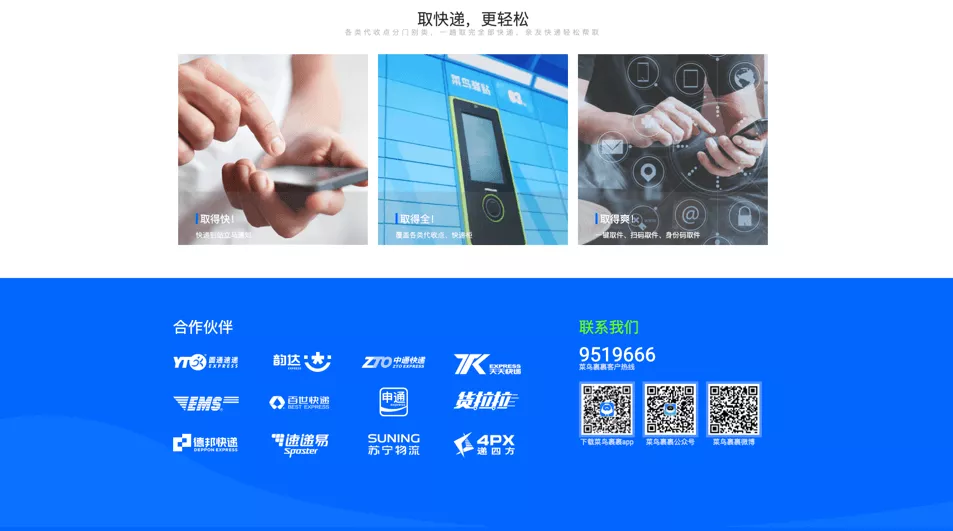
How To Get Started On Cainiao
Individual users can sign up with a mobile number here to use their one-stop package tracking service and place orders online or using the Cainiao mobile app.
For businesses that want to enter the Alibaba e-commerce system, sign up here with an existing Taobao account.
Do not have a Chinese entity, Chinese phone number or Chinese ID? We can help!
If you do not have a Chinese entity, Chinese ID, or Chinese phone number, which is essential to get started on Cainiao, 21YunBox is here to help.
We can provide the necessary supporting documents to get started on Cainiao and walk you through the process. Meanwhile, we will also bring your company, product, and service into full compliance with Chinese law.
Contact us now to learn more about our solutions for doing business in China legitimately!
RELATED COMPANIES







ARTICLES RELATED TO CAINIAO
- China Implements Stricter Regulations on Internet Comment Services
- Does reCAPTCHA Work in China? Reachability, Google's Servers & PIPL
- China Cross-Border Data Transfer: What the Regulation Actually Says
- Tips for Businesses Looking to Sell Products in China: How to Start and Where to Start
- What is data privacy?
- Baidu Tieba - build brand reputation and improve search engine optimization in China!
- Why has my app been deleted from Chinese app stores, and how can I fix it?
- 15 Tips on How to Make a Website Load Faster
- Baidu vs Google
- Baidu Wangpan Guide
- How To Create A Little Red Book Brand Account And Store?
- How To Sell Products to China via WeChat?
- How to Publish My Mobile App in China: A Comprehensive Guide
- How to register a .cn domain?
- Trademark registration in China
PARENT COMPANY
Alibaba Group
OWN BY THE SAME PARENT COMPANY
CATEGORIES
eCommerceWESTERN EQUIVALENTS
Ready to Accelerate Your Site in China Legitimately?
Join 21YunBox and the 5,000+ developers and enterprises to use modern deployment technology
Get StartedLaunch Your Site in China with Confidence
