Does Shopify's Multi-Country Pricing Plugin Work in China? ICP, PIPL & the Store Underneath
A multi-country-pricing plugin presupposes selling into China, but it's a thin geo-logic layer — it can't answer whether your Shopify store may operate there. Shopify hosts your storefront offshore on Google Cloud with no ICP-filing path, and your Chinese shoppers' location, orders and payment data cross the border under PIPL. A compliance-first look.
Does Shopify's Multi-Country Pricing Plugin Work in China?
You install a multi-country-pricing plugin because you intend to sell to shoppers in China — but the plugin is a thin price-switching layer, and it cannot make the Shopify store beneath it compliant. Whether you may operate in mainland China is decided by where Shopify hosts your storefront and how your shoppers' data is handled, and a pricing app touches neither.
The plugin's own listing says it will "Automatically detect shopper location & show the correct specific price," where "IP auto-detects & locks customer price" — so it reads each visitor's IP, which for a Chinese shopper is personal information. It rides on a store Shopify hosts on Google Cloud ("we are excited to build our Cloud with Google," after years on "our own data centers"), with no mainland-China region. A public storefront shown to mainland shoppers from offshore has no footing for an ICP filing, and the location, names, addresses and payment details the store collects become a cross-border transfer PIPL governs. The table below is Shopify's and the plugin's own wording and the rule each one triggers.
This is a risk map, not a verdict — what applies turns on your entity, your data volumes and who your buyers are. Our China team can map your exposure with you →
Compliance snapshot
- ! The pricing plugin is a thin geo-logic layer — the Shopify store under it is the real question
- ✕ Shopify hosts your storefront offshore on Google Cloud — no mainland-China region
- ✕ A storefront served from offshore has no footing for an ICP filing
- ! Chinese shoppers' location, names, addresses and payment cross the border — PIPL applies
- ! Settle the store's ICP and cross-border-data position, not the plugin's settings
What Shopify Plugin: Multi Country Pricing's own documentation says about China
| Fact | Primary source |
|---|---|
| The multi-country-pricing plugin is a thin geo-logic layer, not a China solution. MLVeda's own Shopify App Store listing describes it as a tool to "Automatically detect shopper location & show the correct specific price," where "IP auto-detects & locks customer price." You reach for it precisely because you mean to sell into markets like China — but reading a visitor's IP to switch a displayed price does nothing about where the store is hosted or where its data lives, which are the questions mainland China actually asks. | MLVeda — MLV Multi Country Pricing, Shopify App Store listing, retrieved 2026-10-07 |
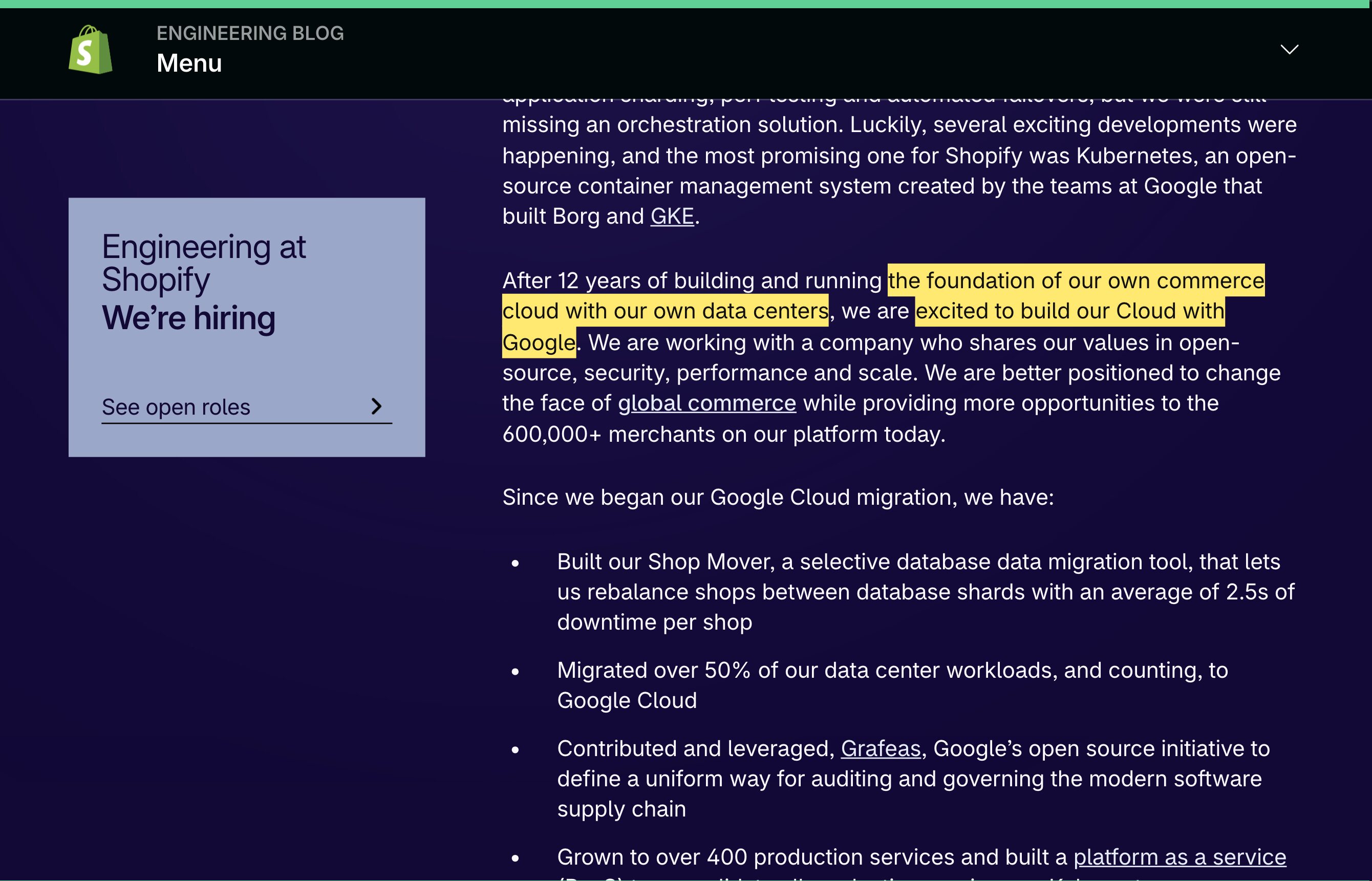
| Shopify hosts your storefront offshore, on Google Cloud. In Shopify's own engineering words, after years running "the foundation of our own commerce cloud with our own data centers," it is now "excited to build our Cloud with Google" — a platform with no mainland-China region (Google Cloud operates none). So a store shown to mainland shoppers is reachable but served from outside the mainland, and the pricing plugin runs on top of exactly that offshore store. | Shopify Engineering — "Shopify's Infrastructure Collaboration with Google," retrieved 2026-10-07 |
| A public China-facing storefront turns on an ICP filing bound to in-country hosting Shopify does not provide. A website served to mainland visitors from inside China must carry an ICP filing (ICP 备案) under State Council Order No. 292 and MIIT Order No. 33, and that filing has to attach to a hosting resource physically located in the mainland. Shopify's hosted storefront sits offshore, so there is nothing on Shopify to file against — a gap no pricing or localization app can close. | State Council Order No. 292; MIIT Order No. 33; inference from Shopify hosting (Shopify Engineering, retrieved 2026-10-07) |
| The data the store collects on Chinese shoppers is a cross-border transfer under PIPL. Shopify Markets lets you "manage how different customers experience your store based on their location" (Shopify's words), and the plugin reads each shopper's IP to set a price — location and IP are personal information, as are the names, addresses and payment details an order collects. For a Chinese buyer served from Shopify's offshore store, that is a cross-border transfer of personal information under PIPL (notice, separate consent and a transfer mechanism, Articles 38–43); a critical information infrastructure operator or large-volume handler must also store that data in the mainland (PIPL Article 40; Cybersecurity Law Article 39 (formerly Article 37)). | Shopify Help Center — Markets (help.shopify.com), retrieved 2026-10-07; MLVeda listing; PIPL Articles 38–43 & 40; Cybersecurity Law Article 39 (formerly Article 37) |
Sources verified by the 21YunBox compliance team on 2026-10-07.
For a mainland-China audience, the question a multi-country-pricing plugin raises is not whether it can switch a price — it can — but whether the Shopify store it runs on is allowed to operate in China at all. You install geo-pricing precisely because you intend to sell to Chinese shoppers: the plugin reads their location and shows a local price. What it cannot do is change where Shopify hosts the storefront or where the store’s data lives, and those two facts — not the pricing logic — are what China’s rules actually turn on. The plugin is a thin layer; the store underneath it is the real question.
Shopify multi-country pricing in China at a glance
| What decides it | In Shopify's and the plugin's own terms |
|---|---|
| What the plugin is | A thin geo-logic layer. MLVeda's listing: “Automatically detect shopper location & show the correct specific price,” where “IP auto-detects & locks customer price.” It presupposes a China audience; it does not make the store compliant. |
| Where the store runs | Shopify hosts the storefront on Google Cloud — “we are excited to build our Cloud with Google,” after years on “our own data centers.” No mainland-China region; the store is reachable but served from offshore. |
| Serving the public | A public storefront shown to mainland visitors needs an ICP filing tied to in-country hosting. Shopify's offshore storefront offers no mainland resource to file against. |
| The data it reads and collects | Shopify Markets localizes “based on their location”; the plugin reads each shopper's IP. That location and IP, plus order names, addresses and payment, is personal information — a PIPL cross-border transfer for Chinese buyers. |
| Is it reachable? | A Shopify store generally loads for mainland visitors. The exposure is not reach but licensing and data residency — and a pricing plugin addresses neither. |
The plugin is a price switch, not a China permit
Read the plugin’s own description and the shape of the problem is already clear. MLVeda markets it to “Automatically detect shopper location & show the correct specific price,” with “IP auto-detects & locks customer price.” That is the whole mechanism: it looks at where a visitor is and picks the matching price and currency. Nobody installs geo-pricing by accident — you add it because you have decided to sell into markets like China and you want each shopper to see the right number.
But picking a number for a Chinese shopper is not the same as being cleared to serve them. The plugin sits on a Shopify store, and every China question lands one level below it — on the store’s hosting and on the store’s data. A pricing app cannot move the storefront inside the mainland, and it cannot change what happens to a buyer’s data once it leaves. So treat the plugin honestly: it is useful, it is thin, and it settles none of the compliance exposure. The exposure belongs to the store it rides on.
Offshore hosting, so no footing for an ICP filing
Shopify is a hosted platform, and it is candid about where that platform lives. In its engineering account of moving off its own hardware, Shopify writes that after running “the foundation of our own commerce cloud with our own data centers” it is now “excited to build our Cloud with Google.” Google Cloud runs no region inside mainland China, so a Shopify storefront shown to mainland shoppers is reachable but served entirely from offshore.
That geography decides the licensing question before pricing ever enters it. A public-facing website delivered to mainland visitors from inside China turns on an ICP filing (ICP 备案) under State Council Order No. 292 and MIIT Order No. 33, and that filing has to attach to a hosting resource physically located in the mainland. Shopify provides none, so there is simply nothing on Shopify to file against — and no plugin on top of it changes that. This is where “we already sell internationally on Shopify” stops short of China: reaching mainland shoppers is not the same as holding a license to operate there.
The location it reads — and the data the store collects
The same feature that makes geo-pricing work is what opens the data question. The plugin reads each visitor’s IP to lock a price, and Shopify Markets, in Shopify’s own words, lets you “manage how different customers experience your store based on their location.” A visitor’s IP and location are personal information — and so are the names, shipping addresses and payment details every order records. None of that is exotic; it is just what a storefront collects in order to sell.
For a Chinese shopper served from Shopify’s offshore store, moving that data out of the mainland is a cross-border transfer under China’s Personal Information Protection Law. The handler — you, the merchant, not Shopify and not the plugin’s developer — must give notice, obtain separate consent, and clear one transfer mechanism: a CAC security assessment, the CAC standard contract, or certification (PIPL Articles 38–43). If you are a critical information infrastructure operator or a large-volume handler, personal information collected in China has to be stored in the mainland (PIPL Article 40; Cybersecurity Law Article 39 (formerly Article 37)) — a residency duty an offshore Shopify store cannot meet. The plugin is not the data-residency problem; it is one more reason the store’s data position has to be settled.
This is a risk map, not a verdict: whether an ICP filing, in-country storage, or both apply depends on your entity, the volume of personal data you handle, and where your buyers are — settle it with counsel before you scale the store into China.
Where 21YunBox fits — a compliant overlay, not a migration
Your Shopify store and its pricing plugin stay exactly as they are. What we add is the one thing a storefront hosted offshore cannot carry on its own: compliant, ICP-filed delivery from inside the mainland, set in front of your existing Shopify origin — no rebuild, no second codebase, and no move off Shopify. Our China team reads the store’s ICP and cross-border-data obligations against your entity, your data volumes and your buyers, then stands up the in-country delivery and storage a lawful China presence needs, while your store keeps serving the prices your plugin already sets.
Related reading:
Frequently Asked Questions
Does installing a multi-country-pricing plugin make my Shopify store compliant in China?
No. The plugin — MLVeda's, or any geo-pricing app — is a thin layer that reads a shopper's location and switches the displayed price. It does nothing about the two things mainland China actually checks: whether your public storefront can be ICP-filed (it cannot, because Shopify hosts it offshore on Google Cloud) and how your Chinese buyers' personal data is handled when it leaves the mainland. Those live in the store, not the pricing app.
Why does using geo-pricing for China raise a data question at all?
Because the feature works by reading where the shopper is. The plugin states plainly that "IP auto-detects & locks customer price," and Shopify Markets localizes the store "based on their location." A visitor's IP and location are personal information, and so are the names, addresses and payment details an order collects. For Chinese shoppers served from Shopify's offshore store, moving that data out of the mainland is a cross-border transfer PIPL governs (Articles 38–43) — a risk to assess with counsel, not a setting to toggle.
Can 21YunBox help a Shopify store with multi-country pricing work in China?
Yes. We leave your Shopify store and its pricing plugin exactly where they are and add the piece Shopify cannot: ICP-filed, in-country delivery in front of your existing storefront, plus a reading of your PIPL cross-border and data-residency exposure for your entity, data volumes and buyers. Get in touch and our China team will map the store's position with you — the plugin stays as-is.
RELATED TECHNOLOGIES






















ARTICLES RELATED TO SHOPIFY PLUGIN: MULTI COUNTRY PRICING
- China Implements Stricter Regulations on Internet Comment Services
- Does reCAPTCHA Work in China? Reachability, Google's Servers & PIPL
- China Cross-Border Data Transfer: What the Regulation Actually Says
- Tips for Businesses Looking to Sell Products in China: How to Start and Where to Start
- What is data privacy?
- Baidu Tieba - build brand reputation and improve search engine optimization in China!
- Why has my app been deleted from Chinese app stores, and how can I fix it?
- 15 Tips on How to Make a Website Load Faster
- Baidu vs Google
- Baidu Wangpan Guide
- How To Create A Little Red Book Brand Account And Store?
- How To Sell Products to China via WeChat?
- How to Publish My Mobile App in China: A Comprehensive Guide
- How to register a .cn domain?
- Trademark registration in China