Does the EasyGift: Auto Add to Cart Shopify Plugin Work in China? ICP, PIPL & the Store Underneath
EasyGift auto-adds a free gift to the cart — but it's a thin cart-logic plugin and can't answer whether your Shopify store may operate in China. Shopify hosts your storefront offshore on Google Cloud with no ICP-filing path, and your Chinese shoppers' order, address and location data cross the border under PIPL. A compliance-first look at the store underneath the plugin.
Does the EasyGift: Auto Add to Cart Shopify plugin work in China?
The plugin works — that's just the wrong question. EasyGift only adds a free gift to the cart; it cannot make your Shopify store compliant for mainland China. The store it rides on is hosted offshore, and that — not the cart logic — is what China's rules turn on.
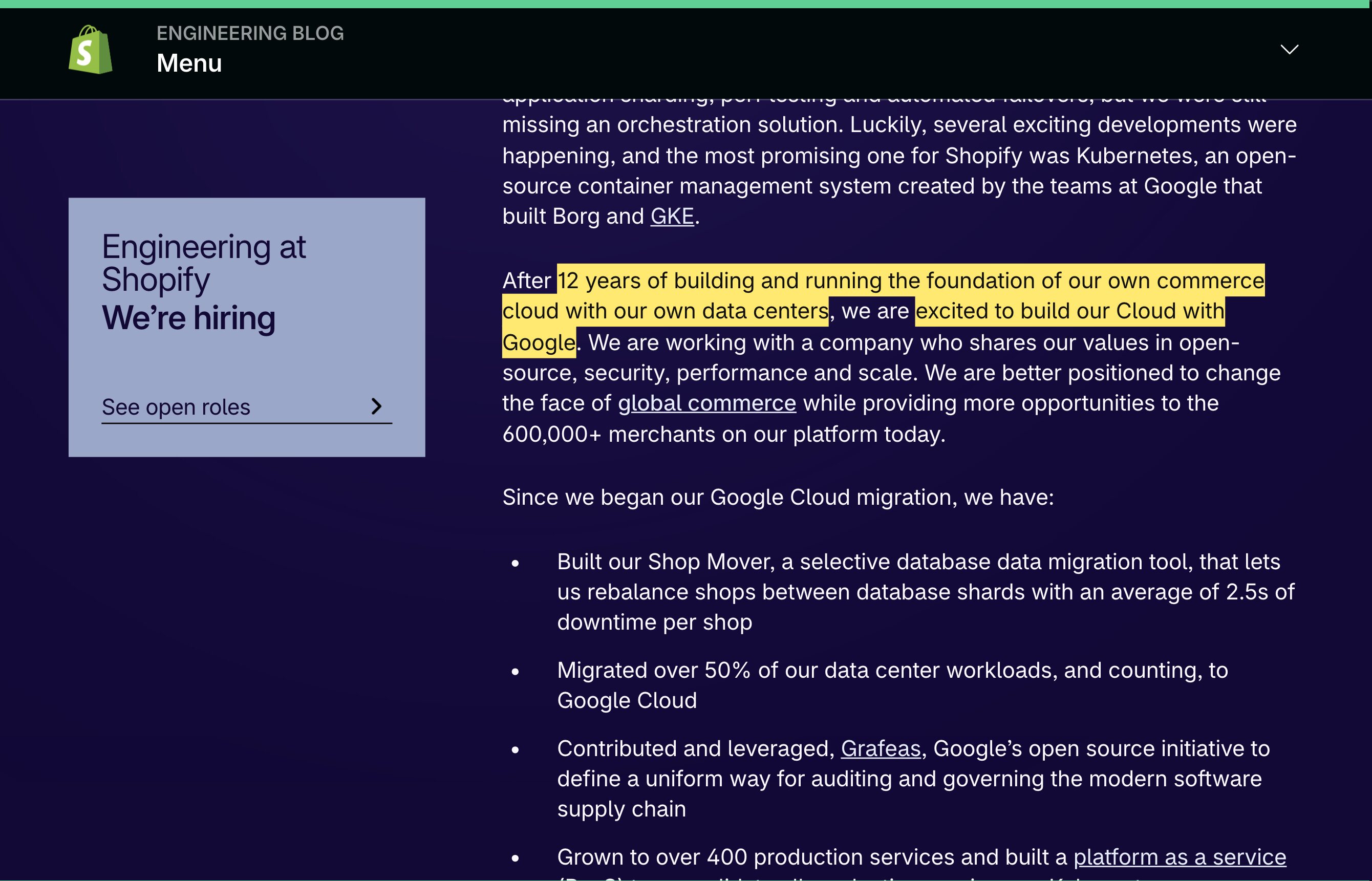
Shopify is candid that it hosts your storefront on Google Cloud: after "12 years" on "the foundation of our own commerce cloud with our own data centers," it is now "excited to build our Cloud with Google," a platform with no mainland-China region. So a store shown to Chinese shoppers is reachable but served from offshore — there is no in-country hosting resource to attach an ICP filing to, and every order's names, addresses and payment (plus the geolocation, IP and order history EasyGift's own listing says it reads) becomes a cross-border transfer of personal information under PIPL for your Chinese buyers. The table below is Shopify's and the app's own wording, and the rule each line triggers.
This is a risk map, not a verdict — whether an ICP filing, in-country storage, or both apply turns on your entity, your data volumes and who your buyers are. Our China team can map your exposure with you →
Compliance snapshot
- ✓ As cart logic, the plugin itself is fine — it runs wherever your store runs
- ! Shopify hosts that store offshore on Google Cloud — no mainland region
- ✕ A storefront served from offshore cannot be ICP-filed
- ! Chinese shoppers' order, address and location data crosses the border — PIPL
- ! EasyGift's own listing shows it reads geolocation, IP and order history
What Shopify Plugin: Easygift: Auto Add To Cart's own documentation says about China
| Fact | Primary source |
|---|---|
| EasyGift is thin cart logic, not a China gateway. Published by FiftyPoint6 and listed as "EG Auto Add to Cart Free Gift," the app exists to "Lift AOV with auto-add free gift with purchase and BOGO" — it watches the cart and drops in a free gift or add-on on rules you set. Useful, but it rides on a Shopify store and cannot change where that store is hosted or where its data lives. | EG Auto Add to Cart Free Gift listing by FiftyPoint6 (apps.shopify.com), retrieved 2026-10-07 |
| Shopify hosts the storefront offshore, so there is nothing in the mainland to ICP-file. In its own engineering words, after "12 years of building and running the foundation of our own commerce cloud with our own data centers," Shopify is now "excited to build our Cloud with Google" — and Google Cloud runs no mainland-China region. A public storefront shown to mainland visitors turns on an ICP filing bound to in-country hosting (State Council Order No. 292; MIIT Order No. 33), and an offshore Shopify store offers no such resource to file against. | Shopify Engineering — Shopify's Infrastructure Collaboration with Google (shopify.engineering), retrieved 2026-10-07; State Council Order No. 292; MIIT Order No. 33 |
| Even the gift plugin reads personal information — and for Chinese shoppers it crosses the border. EasyGift's own data-access disclosure lists "Geolocation, IP address, browser and operating system," plus customer data and order history, among what it reads to apply its rules. Add the names, addresses and payment every order records, and serving a Chinese buyer from Shopify's offshore store makes all of it a cross-border transfer under PIPL — notice, separate consent and one transfer mechanism (Articles 38–43). | EG Auto Add to Cart Free Gift — data access disclosure (apps.shopify.com), retrieved 2026-10-07; PIPL Articles 38–43 |
| An offshore store cannot meet a China data-residency duty. Because Shopify keeps the storefront and its data on Google Cloud outside the mainland, a merchant who is a critical information infrastructure operator or a large-volume handler cannot satisfy the rule that personal information collected in China be stored in-country (PIPL Article 40; Cybersecurity Law Article 39 (formerly Article 37)). Whether that duty reaches you turns on your role and your data volumes — and no cart or gift plugin changes it. | Shopify Engineering (shopify.engineering), retrieved 2026-10-07; PIPL Article 40; Cybersecurity Law Article 39 (formerly Article 37) |
Sources verified by the 21YunBox compliance team on 2026-10-07.
For a mainland-China audience, the useful question about EasyGift is not whether it can drop a free gift into the cart — it can — but whether the Shopify store it runs on is cleared to operate in China at all. You install an auto-add-to-cart app precisely because you are selling, and perhaps selling to Chinese shoppers: it watches the cart and adds the gift or add-on your rules call for. What it cannot do is change where Shopify hosts the storefront or where your buyers’ data ends up — and those two facts, not the cart logic, are what China’s rules actually turn on. The plugin is thin; the store underneath it is the real question.
EasyGift in China at a glance
| What decides it | In Shopify's and the plugin's own terms |
|---|---|
| What the plugin is | FiftyPoint6's listing bills EasyGift as a way to “Lift AOV with auto-add free gift with purchase and BOGO” — it auto-adds a gift or add-on on rules you set. It presupposes you're selling; it does not make the store compliant. |
| Where the store runs | Shopify hosts the storefront on Google Cloud — “excited to build our Cloud with Google,” after “12 years” on “our own data centers.” No mainland-China region; the store is reachable but served from offshore. |
| Serving the public | A public storefront shown to mainland visitors needs an ICP filing tied to in-country hosting. Shopify's offshore storefront offers no mainland resource to file against. |
| The data it touches | EasyGift's data-access listing names “Geolocation, IP address, browser and operating system,” customer data and order history; add each order's names, addresses and payment, and that is personal information — a PIPL cross-border transfer for Chinese buyers. |
| Is it reachable? | A Shopify store generally loads for mainland visitors. The exposure is not reach but licensing and data residency — and a cart or gift plugin addresses neither. |
A gift in the cart, not a China permit
Read EasyGift’s own listing and the limit is already visible. FiftyPoint6 bills the app — listed as “EG Auto Add to Cart Free Gift” — as a way to “Lift AOV with auto-add free gift with purchase and BOGO”: you set a rule, the app watches the cart, and the matching free gift or add-on drops in. That is the whole of it. Nobody installs an auto-add-to-cart app for its own sake; you add it because you are running promotions on a store you intend to sell from, in China among other places.
But adding a gift to a Chinese shopper’s cart is not the same as being cleared to serve that shopper. The plugin rides on a Shopify store, and every China question lands one level below it — on where that store is hosted and on what happens to the data it collects. A cart app cannot relocate the storefront into the mainland, and it cannot change where an order’s data comes to rest. So take the plugin at face value: it is handy, it is thin, and it settles none of the compliance exposure. That exposure belongs to the store it sits on.
Offshore hosting, so no footing for an ICP filing
Shopify is a hosted platform, and it is open about where that platform lives. Recounting its move off its own hardware, Shopify’s engineering team writes that after “12 years of building and running the foundation of our own commerce cloud with our own data centers,” it is now “excited to build our Cloud with Google.” Google Cloud operates no region inside mainland China, so a Shopify storefront put in front of mainland shoppers is reachable yet served wholly from offshore.
That single geographic fact decides the licensing question before cart logic ever enters it. A public-facing website delivered to mainland visitors from inside China turns on an ICP filing (ICP 备案) under State Council Order No. 292 and MIIT Order No. 33, and the filing must attach to a hosting resource sitting physically in the mainland. Shopify supplies none, so there is nothing on Shopify to file against — and no gift app layered on top changes that. This is the point where “we already sell internationally on Shopify” stops short of China: reaching mainland shoppers and holding a license to operate there are not the same thing.
The data EasyGift reads — and the data the store keeps
The feature set is exactly where the data question opens. EasyGift’s own data-access disclosure lists, among what it reads to apply its rules, “Geolocation, IP address, browser and operating system,” along with customer data and recent order history. Set that beside what any storefront records to fulfil a sale — names, shipping addresses, payment — and you are plainly handling personal information. None of it is unusual; it is simply what selling online involves.
For a Chinese shopper served from Shopify’s offshore store, moving that information out of the mainland is a cross-border transfer under China’s Personal Information Protection Law. The handler — you, the merchant, not Shopify and not the app’s developer — must give notice, obtain separate consent, and clear one transfer mechanism: a CAC security assessment, the CAC standard contract, or certification (PIPL Articles 38–43). And if you are a critical information infrastructure operator or a large-volume handler, personal information gathered in China has to stay in the mainland (PIPL Article 40; Cybersecurity Law Article 39 (formerly Article 37)) — a residency duty an offshore Shopify store cannot satisfy, and that a cart plugin does not touch. EasyGift is not the data-residency problem; it is one more reminder that the store’s data position is the thing that has to be settled.
This is a risk map, not a verdict: whether an ICP filing, in-country storage, or both apply depends on your entity, how much personal data you handle, and where your buyers are — worth settling with counsel before you scale the store into China.
Where 21YunBox fits — a compliant overlay, not a migration
Your Shopify store and the EasyGift plugin stay exactly as they are. What we add is the one thing a storefront hosted offshore cannot carry on its own: compliant, ICP-filed delivery from inside the mainland, set in front of your existing Shopify origin — no rebuild, no second codebase, and no move off Shopify. Our China team reads the store’s ICP and cross-border-data obligations against your entity, your data volumes and your buyers, then stands up the in-country delivery and storage a lawful China presence needs — while the cart keeps adding the gifts your rules already call for.
Related reading:
Frequently Asked Questions
Does installing EasyGift change whether my store is compliant in China?
No. EasyGift is cart logic — it drops a free gift or add-on into the cart on rules you set, and it runs wherever your Shopify store already runs. It doesn't move your storefront into the mainland or change where your data is stored, so it neither creates nor removes a compliance obligation. The two things China's rules turn on — an ICP filing for the public storefront, and the cross-border handling of your shoppers' personal data — belong to the store underneath the plugin, not the plugin.
My Shopify store loads fine in China — isn't that enough?
Loading and complying are different questions. A Shopify storefront is generally reachable from the mainland, but Shopify hosts it offshore on Google Cloud, which runs no mainland-China region. That means there is no in-country hosting resource to attach an ICP filing to, and your Chinese shoppers' order and location data leaves the mainland — a cross-border transfer PIPL governs. Reachability is the delivery half; the licensing and data-residency half is what decides whether you may operate there. Treat it as a risk to confirm with counsel.
Can 21YunBox help make our EasyGift Shopify store work in China?
Yes. Your store and the EasyGift plugin stay exactly as they are. Our China team maps the store's real exposure — your PIPL cross-border and data-residency position for your entity, data volumes and buyers — and stands up the ICP-filed, in-country delivery a compliant China storefront needs, in front of your existing Shopify origin. Get in touch to work through your specific store.
RELATED TECHNOLOGIES





















ARTICLES RELATED TO SHOPIFY PLUGIN: EASYGIFT: AUTO ADD TO CART
- China Implements Stricter Regulations on Internet Comment Services
- Does reCAPTCHA Work in China? Reachability, Google's Servers & PIPL
- China Cross-Border Data Transfer: What the Regulation Actually Says
- Tips for Businesses Looking to Sell Products in China: How to Start and Where to Start
- What is data privacy?
- Baidu Tieba - build brand reputation and improve search engine optimization in China!
- Why has my app been deleted from Chinese app stores, and how can I fix it?
- 15 Tips on How to Make a Website Load Faster
- Baidu vs Google
- Baidu Wangpan Guide
- How To Create A Little Red Book Brand Account And Store?
- How To Sell Products to China via WeChat?
- How to Publish My Mobile App in China: A Comprehensive Guide
- How to register a .cn domain?
- Trademark registration in China