What is QQ and how to get started
Tencent QQ, also known as QQ, is one of the earliest instant messenger apps developed by the tech giant Tencent.
What does a foreign company need to run an official brand presence on QQ in mainland China?
Anyone can download QQ, but running an official brand presence on it is gated by Tencent verification and, for most commercial categories, a mainland China entity or a licensed local partner acting as operator of record — not just a sign-up.
QQ is a Tencent instant-messaging and social platform, so operating on it as a business runs through China's real-name system and platform rules. A public account used to publish to QQ users must be reviewed by Tencent and filed with the internet-content regulator, and current-affairs or news content needs separate qualifications; a QQ mini program must be registered with MIIT before it can launch, a filing built around a China-domiciled operator and a business license; and the personal information you collect from QQ users is governed by PIPL the moment it leaves the mainland. The guide below covers QQ's ad, community and account surfaces — the facts here are the entity, verification and data gate a foreign brand clears first.
This is a risk map, not a verdict — which gate applies turns on your entity, the surface you operate and the data you handle. Our China team can map your QQ onboarding path with you →
What a foreign brand must clear to operate on QQ
| Fact | Primary source |
|---|---|
| A public presence on QQ is verified, reviewed and filed before it can publish. Under China's Provisional Regulations for the Development and Management of Instant Messaging Tools and Public Information Services, instant-messaging providers like Tencent must register users only "after undergoing authentication of their… identity information" (real-name), and users "opening public accounts in order to engage in public information service activities shall undergo examination and verification by the… service provider," who then "files [them] in a categorized manner" "with the controlling department for Internet information and content." Accounts that disseminate or reprint current-affairs news need Internet news information service qualifications or prior approval. How China's content filing and licensing regime works → | DigiChina (Stanford) translation — Provisional Regulations for the Development and Management of Instant Messaging Tools and Public Information Services, State Internet Information Office (Cyberspace Administration of China), Articles 4, 6 & 7, retrieved 2026-10-07 |
| A QQ mini program must be MIIT-registered before it can launch — a filing tied to a China-domiciled operator. Since September 1, 2023 China requires apps and in-app mini programs to be filed with the Ministry of Industry and Information Technology; China Briefing (Dezan Shira & Associates) reports programs "must be registered with the MIIT before they can be launched," filings go to the provincial bureau where the operator is "domiciled," and the form requires a business certificate number and the legal representative's ID — with overseas operators flagged as likely to struggle because "the required materials and registration system are all in Chinese," and unregistered programs "removed." A QQ mini program is an in-app mini program on a super-app and falls in that scope (the guide names WeChat, Alipay and Baidu as examples; QQ is not named — inference). This is the ICP filing regime → | China Briefing / Dezan Shira & Associates, "All Apps and Mini Programs to be Registered by End of March 2024" (reporting MIIT's app-filing notice), 2023-12-04, retrieved 2026-10-07 |
| Personal data you collect through QQ is PIPL-regulated, and sending it offshore triggers a transfer mechanism and separate consent. Any personal information you gather from QQ users — followers, leads, chats, order details — is subject to the Personal Information Protection Law. To move it outside the mainland (for example into your own CRM or servers abroad) PIPL Article 38 requires you to "meet one of the following conditions" — a security assessment, certification, or the regulator's standard contract — and Article 39 requires you to "notify the individual" and "obtain individuals' separate consent." What a compliant cross-border transfer involves → | DigiChina (Stanford) translation — Personal Information Protection Law of the PRC, Articles 38–39 (cross-border provision, Articles 38–43), retrieved 2026-10-07 |
| Operate at scale or as critical infrastructure and the data must stay in China. PIPL Article 40 requires "critical information infrastructure operators" and handlers "reaching quantities provided by the State cybersecurity and informatization department" to "store personal information collected and produced within the borders of the People's Republic of China domestically," with a security assessment before any export. China's Cybersecurity Law sets the parallel in-country storage duty for critical information infrastructure operators at Article 39 under the amended law that took effect January 1, 2026. Whether these thresholds reach your QQ operation is a question to settle with counsel. Data-residency exposure, explained → | DigiChina (Stanford) translation — PIPL Article 40, retrieved 2026-10-07; Cybersecurity Law Article 39 (formerly Article 37) (amended Cybersecurity Law effective 2026-01-01, per DLA Piper Privacy Matters) |
Sources verified by the 21YunBox compliance team on 2026-10-07.
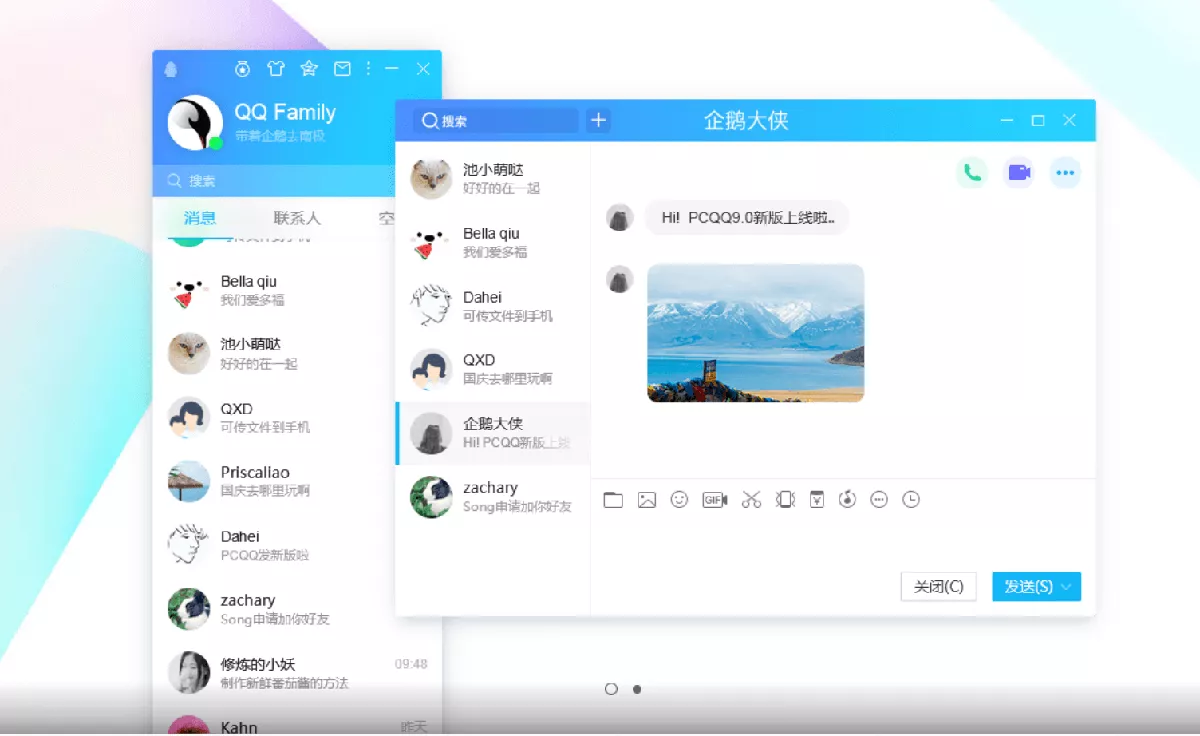
About QQ
Tencent QQ, also known as QQ, QQ China, is one of the earliest instant messenger apps developed by the tech giant Tencent.
First releasing QQ China in 1999 under the name OICQ (“Open ICQ”), Tencent later changed the product’s name to QQ due to a threat of a trademark infringement lawsuit by AOL’s ICQ. QQ was the most popular social media platform in the 2000s, before WeChat’s launch.
After WeChat’s launch and becoming more mainstream in China, QQ is not so much mentioned. But it is still the second-largest social media platform in China, with over 940 million registered users and 700 million monthly active users, of which nearly 70% are Gen Zs. Thus, QQ is now considered the most important social media channel to reach Gen Z users in China.
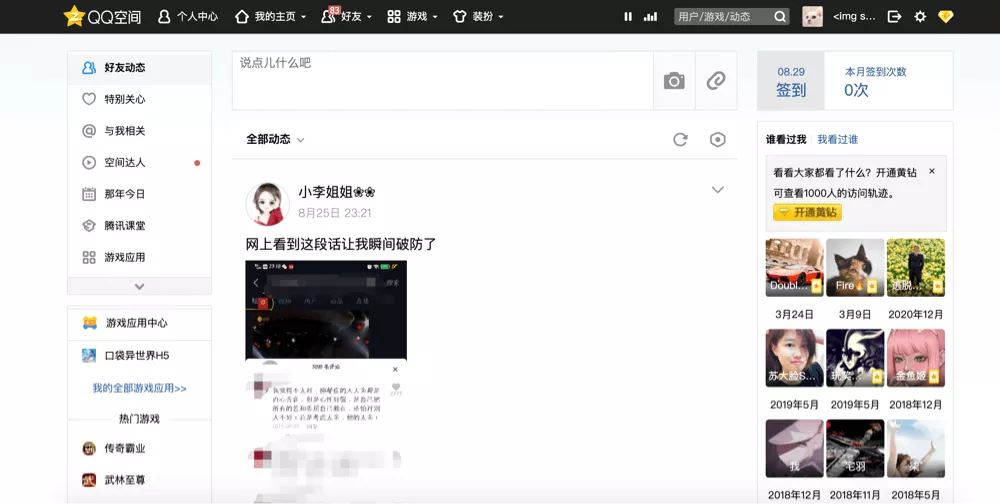
Gen Zs like QQ because it provides a private social space where they won’t be “stalked” by their parents and teachers, who now mainly use WeChat. QQ also offers social networking features very attractive to Gen Zers, such as QQ-Zone, QQ’s blog that allows users to write blogs, post pictures, interact and send virtual gifts to each other.
How To Get Started On QQ
QQ paid ads
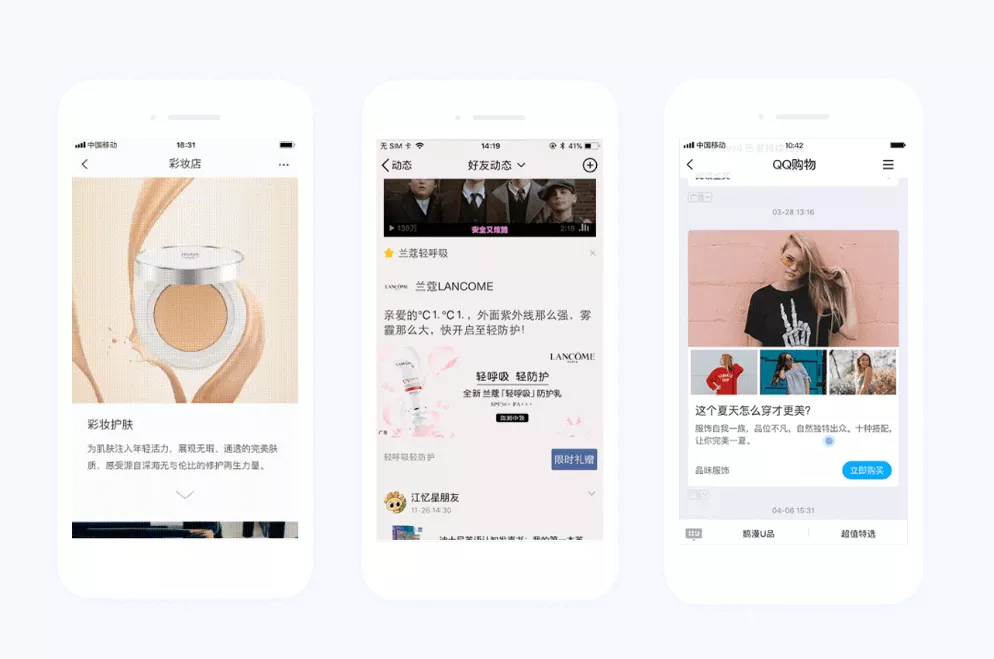
QQ provides many different advertisement formats, including splash ads, display ads, feed ads, pre-roll ads., etc. You can sign up on Tencent’s ad platform Tencent Ads, which is also used by other products by Tencent, such as WeChat, Tencent video, and Tencent news.
QQ ads can also be linked to your brand’s e-commerce landing page via JD.com — Tencent’s strategic e-commerce partner, directly providing in-app purchases.
Organic growth
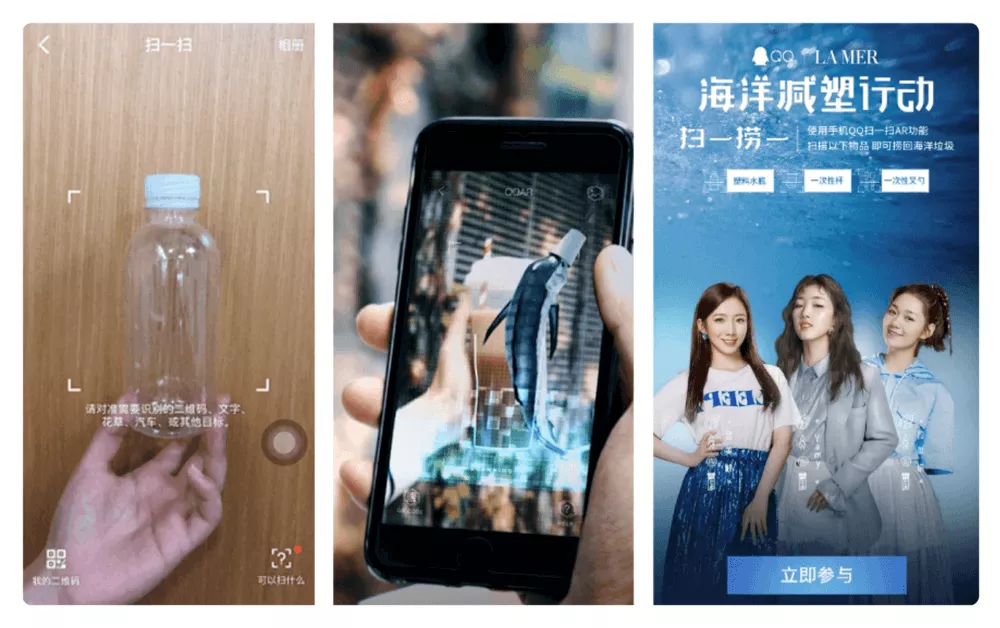
Businesses and brands can also gain organic growth by creating their brand page on QQ Tribe, QQ’s interest-based online community where users can share opinions on different topics and interact with each other. Many famous brands such as Lamer have successfully launched campaigns on QQ to attract the attention of Gen Z consumers in China.
Do not have a Chinese entity, Chinese phone number or Chinese ID? We can help!
If you do not have a Chinese entity, Chinese ID, or Chinese phone number, which is essential to get started on QQ, 21YunBox is here to help.
We can provide the necessary supporting documents to use QQ and walk you through the process. Meanwhile, we will also bring your company, product, and service into full compliance with Chinese law.
Contact us now to learn more about our solutions for doing business in China legitimately!
RELATED COMPANIES




PARENT COMPANY
Tencent
OWN BY THE SAME PARENT COMPANY
CATEGORIES
Social MediaWESTERN EQUIVALENTS
- What's App
Ready to Accelerate Your Site in China Legitimately?
Join 21YunBox and the 5,000+ developers and enterprises to use modern deployment technology
Get StartedLaunch Your Site in China with Confidence