Do you need an ICP filing to advertise on Baidu?
Paid traffic cannot fix an unservable destination. Baidu’s own cloud documentation states that a site hosted inside mainland China must complete its MIIT filing, and that an unfiled site cannot be shown to users (如果网站没有备案,就无法展示给用户浏览) — it also states that unfiled sites must be shut down. Whatever a campaign spends sending people to a landing page, the page still has to be one that may lawfully be served. That makes the filing a prerequisite of the media plan rather than a parallel workstream, and it is worth sequencing deliberately: the filing is issued to a mainland legal entity and binds to the hosting arrangement, so it has a lead time that a campaign launch date does not automatically accommodate. The filing itself is covered here; if the site takes payment, the separate commercial ICP licence is a further step again. What the filing rules and Baidu’s own documentation say
| Fact | Primary source |
|---|---|
Baidu’s own cloud documentation states that a site with servers inside China must complete MIIT filing and that an unfiled website cannot be displayed to users — 如果网站没有备案,就无法展示给用户浏览. It further states that all unfiled sites must be shut down and are likely to be investigated and taken down. | Baidu Cloud — ICP filing documentation (备案概述) |
| State Council Decree No. 292 places internet information services under a filing or licensing regime. The filing is issued to a mainland legal entity, which means the entity question is upstream of both the hosting decision and the media plan. | State Council Decree No. 292, Article 4 — Administrative Measures on Internet Information Services |
| MII Decree No. 33 puts the obligation on the access provider as well as the operator — a provider is not permitted to carry an unfiled site. A landing page therefore depends on a compliance state held by a third party, not only on your own configuration. | MII Decree No. 33, Article 18 — Measures on the Filing of Non-Commercial Internet Information Services |
Sources verified by the 21YunBox China engineering team on 2026-08-30.
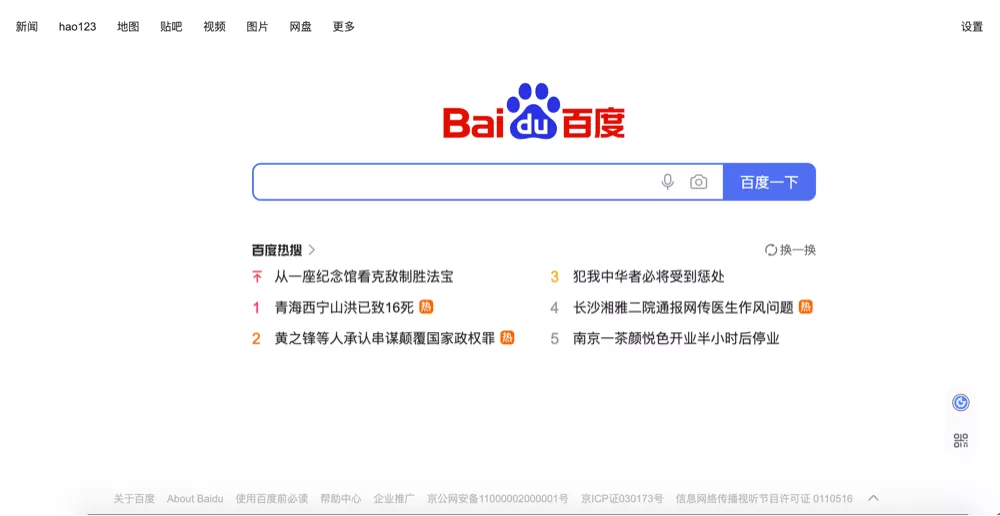
Are you looking to expand your business in China and tap into the massive Chinese market? If so, Baidu PPC (Pay-Per-Click) advertising can be a powerful tool to help you reach your target audience. As the dominant search engine in China, Baidu (Baidu.com, 百度一下) holds more than 70% of the market share, making it a crucial platform for digital marketing in China. In this article, we will provide you with a comprehensive guide to Baidu PPC advertising in China, covering the basics, benefits, and best practices to help you get started. Let’s get started with this Baidu Paid Advertising Guide!
What is Baidu PPC Advertising?
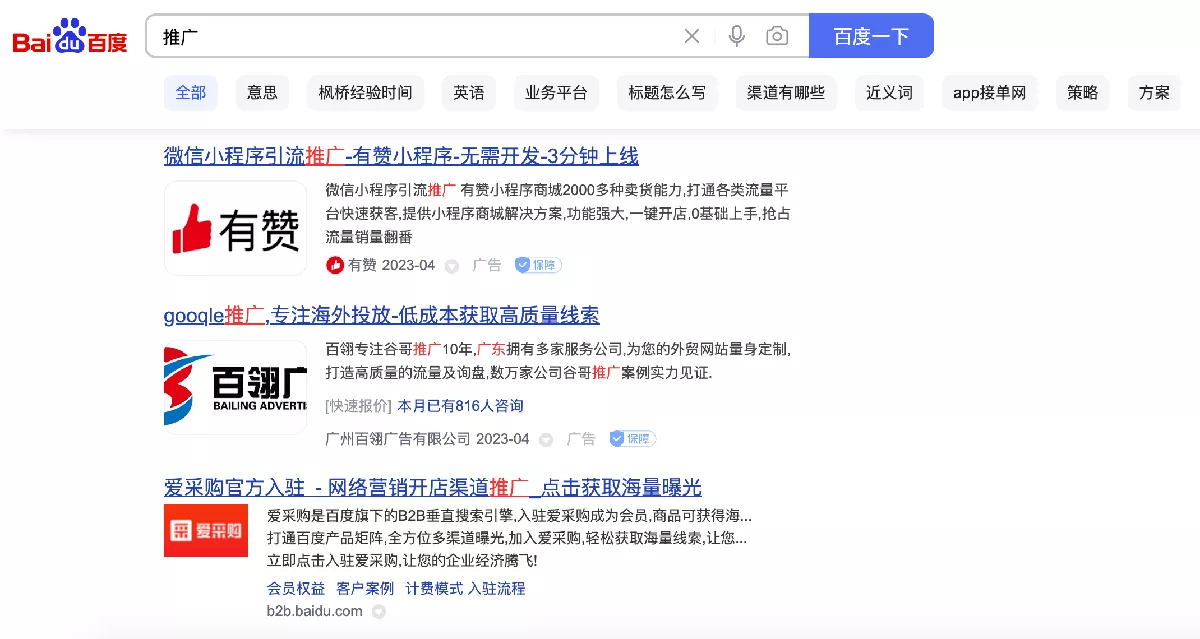
Baidu PPC advertising is a paid digital marketing strategy that allows businesses to display their ads on Baidu’s search results pages or its affiliated websites. With Baidu PPC, businesses bid on specific keywords that are relevant to their products or services, and their ads will appear when users search for those keywords on Baidu. The ads are labeled as “推广” (tuiguang) on Baidu’s search results page, indicating that they are sponsored ads.

Benefits of Baidu PPC Advertising
There are several benefits to using Baidu PPC advertising to promote your business in China:
-
Reach the Massive Chinese Market: Baidu is the most popular search engine in China, with billions of searches conducted every day. Advertising on Baidu allows you to reach a massive Chinese audience and increase your brand exposure.
-
Targeted Advertising: Baidu offers various targeting options, including region, demographics, interests, and more, allowing you to narrow down your audience and show your ads to the right people at the right time.
-
Cost-Effective: Baidu PPC advertising operates on a bidding system, where you set your own budget and bid for keywords. You only pay when users click on your ads, making it a cost-effective advertising option.
-
Increased Website Traffic: Baidu PPC can drive targeted traffic to your website, increasing your website’s visibility and potentially leading to higher conversions and sales.
-
Detailed Performance Tracking: Baidu provides detailed performance tracking and analytics, allowing you to measure the effectiveness of your ad campaigns and make data-driven decisions to optimize your marketing strategies.
Can You Advertise on Baidu?
To place an advert on Baidu, businesses must have a business registration certificate and either a Chinese business license or an overseas business license.
In order to apply for Baidu’s PPC advertising, you will need to submit a bunch of documents for Baidu to check the potential and seriousness of your company, as well as respect some strict prerequisites.
Moreover, some words such as ‘Number 1, Best, Top class, Trustworthy, Guarantee, etc. are stricly prohibited on Baidu, and you won’t be able to use symbols on your ad copy unless you prove that they are yours.
There are also some limitations when it comes to Baidu ads, notably for health & pharmaceutical products where you’ll have to speak with a specialist first.
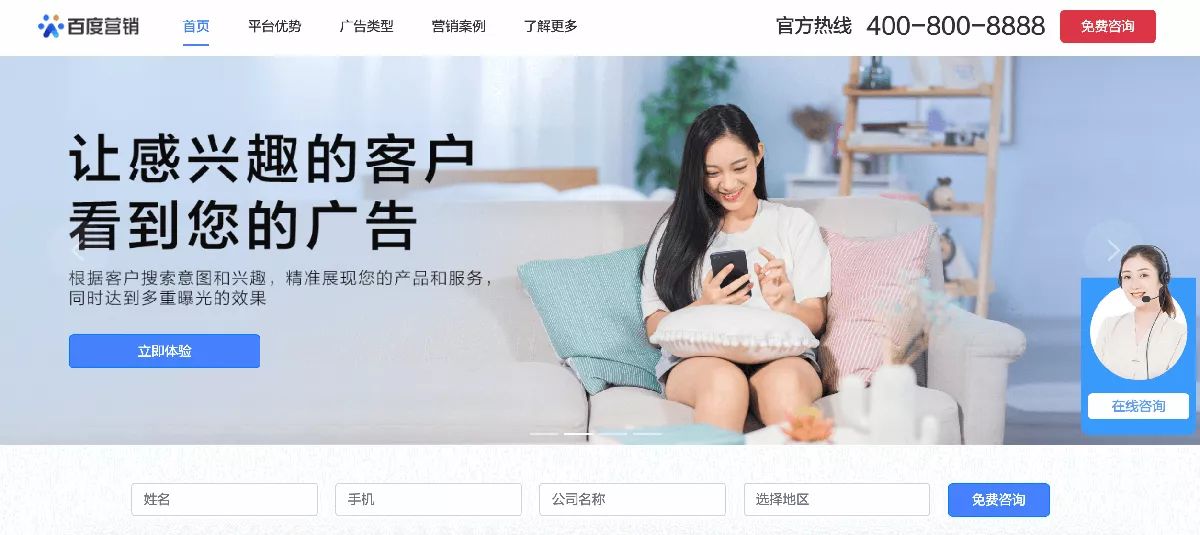
To register and verify your Baidu account, visit Baidu’s advertising platform, called “Baidu Tuiguang” (百度推广) and create an account. You will need to provide your business information, including your company name, address, and business license. Baidu will then verify your account, which may take a few days.
Best Practices for Baidu PPC Advertising
To ensure a successful Baidu PPC advertising campaign, here are some best practices to follow:
- Conduct Keyword Research
Thorough keyword research is essential to identify the most relevant and high-performing keywords for your business. Use Baidu keyword rank tracking tool for baidu and consider the language and cultural nuances of the Chinese market.
- Create Compelling Ad Creatives
Your ad creatives should be tailored to the Chinese audience and follow Baidu’s advertising policies. Consider using Chinese language and culturally relevant images to resonate with your target audience.
- Optimize Your Landing Page
Your landing page should be optimized for Chinese users and comply with Baidu’s guidelines. Ensure that your landing page loads quickly, has relevant and high-quality content, and is mobile-friendly.
- Monitor and Optimize Your Campaign
Regularly monitor the performance of your Baidu PPC campaign and make adjustments as needed. Adjust your bids, refine your keywords, and optimize your ad creatives to improve the performance of your ads.
- Understand Chinese Consumer Behavior
Familiarize yourself with Chinese consumer behavior, preferences, and purchasing habits to tailor your marketing strategies accordingly. Research Chinese cultural norms, trends, and consumer preferences to make your ads more relevant and appealing to the Chinese audience.
- Localize Your Campaign
Localization is crucial for success in the Chinese market. Consider hiring a local digital marketing agency or consultant with expertise in Baidu PPC advertising to ensure your campaigns are culturally relevant, localized, and comply with local regulations.
Main Differences Between Baidu and Google Paid Ads
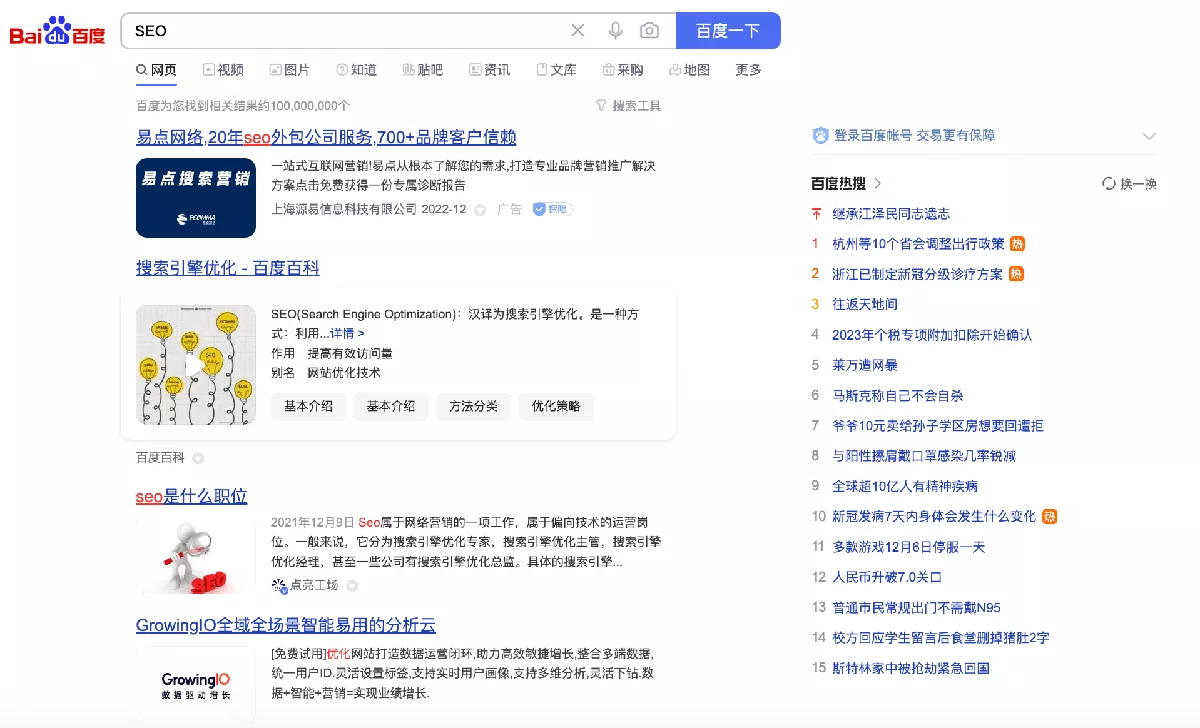
Baidu and Google offer paid advertising options to businesses looking to increase their online visibility and attract more customers. While there are similarities between the two platforms, there are also significant differences that businesses must be aware of when creating their ad campaigns. Understanding the differences between Baidu and Google paid ads can help businesses tailor their marketing strategies effectively and reach their target audience in China or globally.
- Language and Targeting One of the most significant differences between Baidu and Google paid ads is language and targeting. While Google is used globally, Baidu caters specifically to the Chinese market, with its search results and ads being displayed in Chinese. This means that businesses targeting Chinese-speaking consumers must use Baidu to reach them effectively.
Furthermore, Baidu offers targeting options that are specific to the Chinese market, such as regional targeting, age, and gender targeting, and industry targeting. These options allow businesses to narrow down their audience and show their ads to the right people at the right time.
- Ad Formats Another difference between Baidu and Google paid ads is the ad formats. Google offers a wide range of ad formats, including text ads, display ads, video ads, and shopping ads. Baidu, on the other hand, primarily offers text-based ads, with limited options for display and video ads.
Baidu’s text ads are displayed prominently on the search results page, labeled as “广告” (advertising) to indicate they are sponsored ads. The ads typically include a headline, two lines of description, and a call-to-action (CTA).
- Bidding System The bidding system used by Baidu and Google also differs significantly. Google uses an auction-based bidding system, where advertisers bid on specific keywords, and the highest bidder wins the top spot on the search results page. Advertisers only pay when a user clicks on their ad, with the cost per click (CPC) determined by the highest bid.
Baidu, on the other hand, uses a hybrid bidding system, where advertisers can set their own bids or choose to use Baidu’s automated bidding feature. With automated bidding, Baidu’s algorithm will adjust the bid based on the ad’s performance, ensuring the best possible ad placement at the lowest possible cost.
-
Ad Approval Process The ad approval process also differs between Baidu and Google. While both platforms have strict ad policies, Baidu’s approval process is typically more rigorous, with ads taking longer to be approved. Baidu’s guidelines are specific to the Chinese market, and ads that do not comply with their regulations will be rejected.
-
Mobile Advertising Mobile advertising is a crucial aspect of digital marketing, with mobile devices accounting for the majority of internet usage in China. Both Baidu and Google offer mobile advertising options, but Baidu has a more significant presence in the Chinese mobile market.
Baidu’s mobile advertising options include mobile search ads, mobile app ads, and mobile display ads. Baidu’s mobile app ads are particularly popular, with a wide range of targeting options and the ability to display ads within popular mobile apps.
Ready To Get To Work on Your Baidu PPC Advertising?
Advertising on Baidu can be complex, especially if you are not familiar with the Chinese language or market. It may be helpful to seek assistance from a local digital marketing agency or consultant with experience in advertising on Baidu to ensure the best results for your campaign. Always stay updated with Baidu’s advertising policies and guidelines to ensure compliance and maximize the effectiveness of your advertising efforts.
Contact us to learn more about our Baidu advertising service. We’ll get you to the front page of Baidu without all the hassle!