Does Substack Work in China? Access, ICP & the Compliant Alternative
Substack is not available in mainland China, and forcing reach is not a lawful or durable channel. The lawful way to reach a Chinese audience is a licensed Chinese publishing channel with an ICP filing and content compliance — and, for paid subscriptions, a licensed in-China payment channel.
Does Substack work in China?
Substack is not available in mainland China, and trying to reach it anyway is not a lawful or durable answer — the real question is how you reach a Chinese audience lawfully. You do that on a licensed Chinese publishing channel, not on an offshore newsletter service.
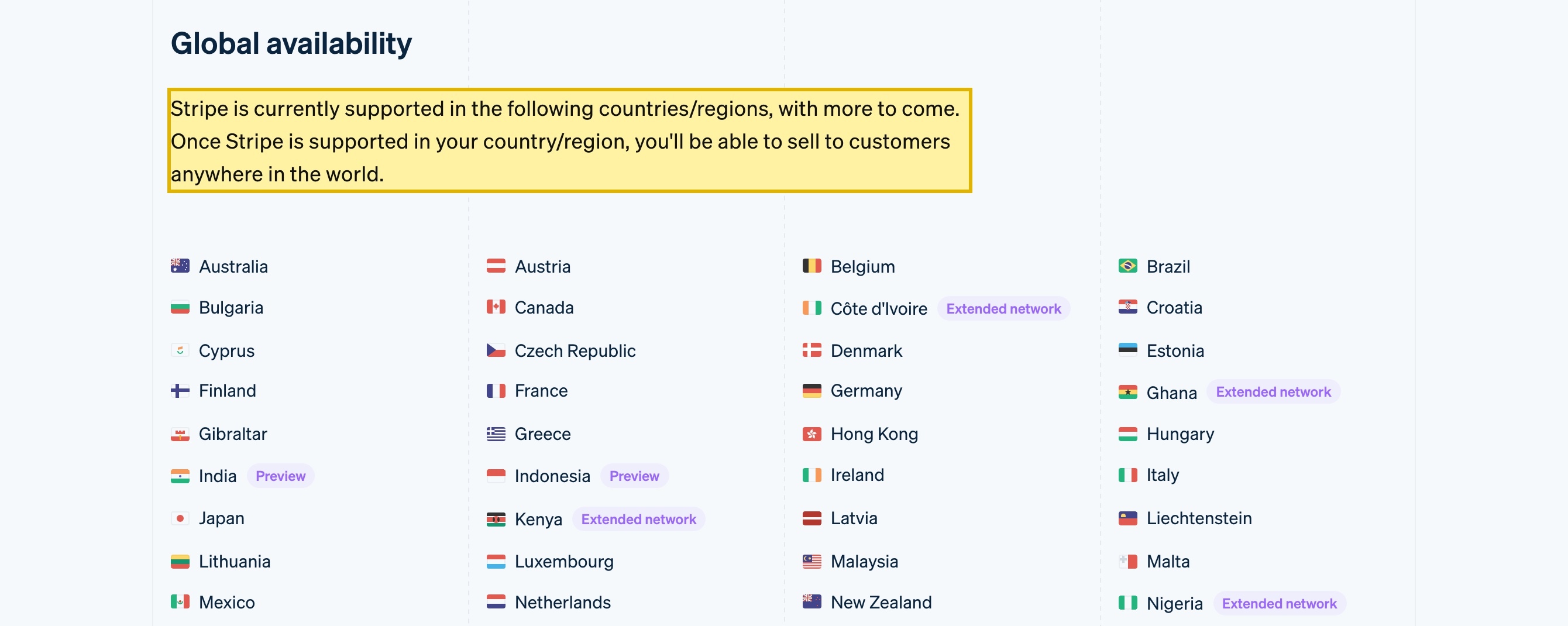
To run a China-facing newsletter or paid-publishing presence, you publish through a licensed Chinese publishing channel (for example a WeChat Official Account) operated with an ICP filing and content compliance. For paid subscriptions there is a second door: money from mainland readers must move through a licensed in-China payment channel. Substack's own FAQ says “Stripe is our payment processor,” and Stripe's Global availability page does not list mainland China — so Substack's paid model has no lawful in-China collection path. Any subscriber personal data you hold is governed by PIPL.
This is a compliance risk read, not a legal verdict — what you owe turns on your entity, what you publish and whether you charge. Our China team can map the lawful channel with you → 21YunBox never provides or recommends circumvention of any kind.
What Substack's own documentation says about China
| Fact | Primary source |
|---|---|
| Substack's paid model runs on Stripe. Substack's own FAQ states plainly: “Stripe is our payment processor.” Every paid subscription, from any reader, is collected through a Stripe account the writer connects — there is no built-in alternative payment rail. | Substack FAQ — How do paid subscriptions on Substack work? (faq.substack.com), retrieved 2026-10-13 |
| Stripe is not available to businesses in mainland China. Stripe's own Global availability page says “Stripe is currently supported in the following countries/regions, with more to come,” and mainland China is not among them (Hong Kong is listed separately). 21YunBox read: because Substack collects only through Stripe, its paid subscriptions have no lawful mainland-China payment path — a China-facing paid presence needs a licensed in-China payment channel instead. | Stripe — Global availability, retrieved 2026-10-13 |
| A China-facing newsletter or publishing presence is a public internet information service. Operating it lawfully means hosting on a mainland resource held by a mainland legal entity with an ICP filing (备案); commercial, paid operation can require the operational ICP license, not just the filing. | 21YunBox — China ICP filing explainer; MIIT ICP administrative measures |
| Your mainland subscribers' identities, email addresses and payment-related records are personal information. Collecting them into an offshore service is a cross-border transfer the handler must base on notice, a separate consent and a transfer mechanism under the Personal Information Protection Law (Articles 38–40; consent in Articles 13 and 23). | PIPL Articles 13, 23, 38–40 |
Sources verified by the 21YunBox compliance team on 2026-10-13.
For a writer or a business weighing Substack for a mainland-China audience, the honest answer has two parts, and only one of them is the point. Part one, briefly: Substack is not available in mainland China, and trying to reach it anyway is neither a lawful nor a durable way to run a business presence there. 21YunBox never provides or recommends circumvention of any kind, and this page describes none. Part two is the part that matters: reaching a Chinese audience with a newsletter or a paid-publishing presence is a question about which channel you publish on and whether that channel is licensed — not about an offshore service you cannot lawfully operate from inside the mainland. The lawful path is a licensed Chinese publishing channel — for example a WeChat Official Account — operated with an ICP filing (备案) and content compliance. And because Substack is a paid-subscription product, there is a second door that is specific to it: collecting money from mainland readers requires a licensed in-China payment channel.
That second door is where Substack differs from a free blog or a forum. Substack’s own FAQ says plainly, “Stripe is our payment processor,” and every paid subscription is collected through a Stripe account the writer connects. Stripe’s own Global availability page lists the countries and regions where it is supported, and mainland China is not among them. So even setting the publishing channel aside, Substack’s paid model has no lawful in-China collection path — a China-facing paid presence has to run its payments through a licensed in-China payment channel, on a licensed Chinese publishing channel, rather than through an offshore newsletter service.
Substack for a China audience at a glance
| What decides it | What it means for a China-facing presence |
|---|---|
| Availability in mainland China | Substack is not available in mainland China. The decision in front of you is which licensed channel you publish on to reach a Chinese audience — not how to reach an offshore service you cannot lawfully operate from the mainland. |
| The lawful channel | A licensed Chinese publishing channel — for example a WeChat Official Account, or a licensed Chinese publishing/community platform — operated by a mainland entity. This is where your China audience already is, and where a China-facing presence can be run lawfully. |
| ICP filing (备案) | A China-facing publishing presence is a public internet information service. It must sit on a mainland hosting resource held by a mainland legal entity and carry an ICP filing; commercial, paid operation can require the operational ICP license, not just the filing. |
| Content compliance | Content published on a Chinese channel is subject to China's content rules and the platform's real-name and review obligations. A compliant presence is set up to meet them from the start, not retrofitted after launch. |
| Paid subscriptions (payment) | Substack collects only through Stripe — its FAQ states “Stripe is our payment processor” — and Stripe's Global availability page does not list mainland China. Money from mainland readers must instead move through a licensed in-China payment channel. |
| Subscriber personal data | Your mainland subscribers' identities, email addresses and payment-related records are personal information under PIPL. Collecting them into an offshore service is a cross-border transfer needing notice, a separate consent and a transfer mechanism (Articles 38–40). |
Why “can I reach it” is the wrong question
Notice what a reachability test cannot tell you. Whether a page paints for someone in Shanghai says nothing about whether you may lawfully operate a publishing presence for them, whether your channel carries an ICP filing, whether your content clears China’s content rules, whether your paid subscriptions have a lawful in-China payment path, or whether your subscribers’ personal data crossed the border with a lawful basis. The audience you want is not waiting on an offshore newsletter service — it is already on the licensed Chinese channels, and so is the compliance that lets you reach it. Making an offshore service merely reachable changes none of that, and it is not a lawful or durable business channel.
The payment door is specific to Substack
A free blog or forum raises the publishing and ICP questions; a paid newsletter raises one more. Substack’s revenue model is paid subscriptions, and the FAQ is explicit that “Stripe is our payment processor.” Stripe’s Global availability page lists the countries and regions where a Stripe account can be based, and mainland China is not one of them. That means a China-facing paid presence cannot collect from mainland readers on Substack’s own rail; the money has to run through a licensed in-China payment channel instead. If you also collect and hold subscriber personal data — identities, email addresses, payment-related records — that data is governed by PIPL, and moving it offshore is a cross-border transfer the handler must base on notice, a separate consent and a transfer mechanism. Which of these prongs apply, and how heavily, depends on what you publish and whether you charge — settle it with counsel before you build.
The lawful path — map, localize, deliver
Map. We inventory what your newsletter or publishing presence actually does for China — who your mainland readers are, what you publish, whether you charge them, and what subscriber personal data you hold — and where each of those sits against ICP, content-compliance and payment-licensing rules.
Localize. We move your China-facing presence onto a licensed Chinese publishing channel: ICP-filed, content-compliant, and — for paid subscriptions — wired to a licensed in-China payment channel, so mainland readers are reached and charged lawfully. Localize means publishing where the audience and the licence already are, never forcing reach to an offshore service.
Deliver. We stand up and deliver that China-facing presence in-country with the 21YunBox Optimizer, set in front of the stack you already run — no rebuild, no re-platform, no second codebase.
The rule underneath all three: making an offshore service merely reachable from China is not the answer, because the presence is still unfiled, the content is still unreviewed, paid subscriptions still have no lawful in-China payment path, and subscriber data may still have crossed the border without a basis. Publishing on a licensed Chinese channel — ICP-filed, content-compliant, and on a licensed payment path — is.
Whether you owe an ICP filing, the operational ICP license, content review, a licensed payment channel, a PIPL transfer basis, or all of them depends on what you publish, whether you charge, and who operates the China-facing presence — so settle it with counsel before you build. Tell us who your China audience is and what you publish, and we’ll map the licensed channel and deliver it in-country. 21YunBox never provides or recommends circumvention of any kind. Reach out for a compliance assessment and a quote.
Related reading:
- What is the China ICP license, and how do you get one?
- China’s Personal Information Protection Law (PIPL)
- Cross-border data transfers under PIPL